
H5N1 threat in Australia raises risks for wildlife and poultry biosecurity
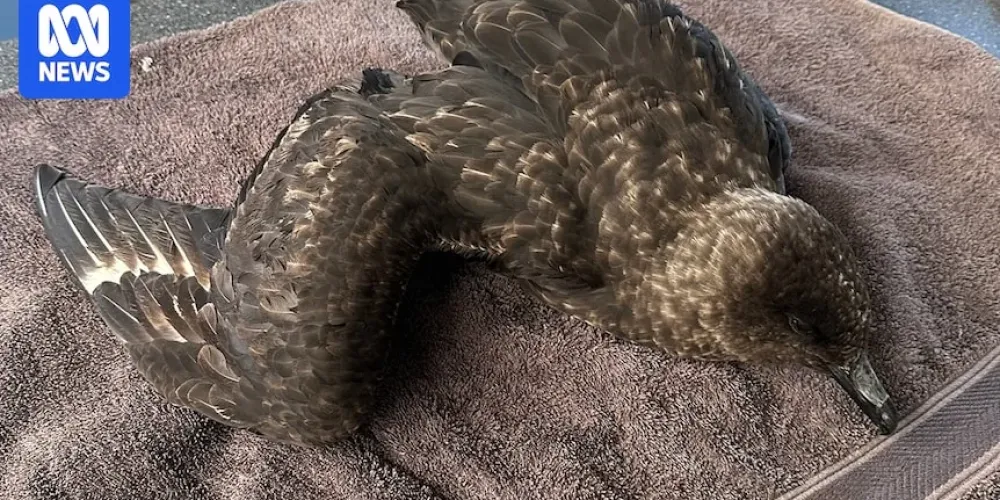
Australian biosecurity and wildlife officials stepped up monitoring after a brown skua found on a beach near Esperance in southern Western Australia was confirmed to carry highly pathogenic avian influenza H5N1 clade 2.3.4.4b. A southern giant petrel found nearby also returned a preliminary positive result for avian influenza, with additional testing still under way.
According to ABC, this H5N1 lineage has killed millions of chickens, ducks and wild animals globally since late 2021. The virus has already been detected in more than 400 wild bird species and about 40 mammal species, so the appearance of a mainland Australian case is being treated as a serious warning for both conservation authorities and the farm sector.
Researchers say the most dangerous scenario would be the virus becoming established in freshwater environments and reaching ducks. Ecologist Marcel Klaassen said faecal-oral transmission is very easy among waterfowl, and ducks have been major spreaders of the virus in the northern hemisphere, including into commercial poultry systems.
Species cited as vulnerable include the black swan, Australian sea lion, Tasmanian devil and the critically endangered orange-bellied parrot. Scavengers such as silver gulls and raptors could also be infected if carcasses of infected seabirds remain on beaches before authorities remove them. The same virus killed thousands of elephant seals on Heard Island, an Australian territory, last year.
Authorities are now trying to determine whether the outbreak remains limited to isolated finds or has already spread further. CSIRO is tracing the likely pathway by which the virus arrived, while field teams continue sampling new bird deaths. For agriculture, the significance goes beyond wildlife protection: if H5N1 becomes established in waterfowl, the biosecurity threat to poultry production, farm logistics and disease-control costs would rise sharply.
Not yet comments. Be the first!
Comments · 0