
Nova Scotia drought leaves Honeycrisp apples smaller, but growers see room for recovery
Apple growers in Nova Scotia say last summer’s drought is the main reason Honeycrisp fruit is coming to market smaller than usual, although they still see a path back to normal size if moisture conditions improve.
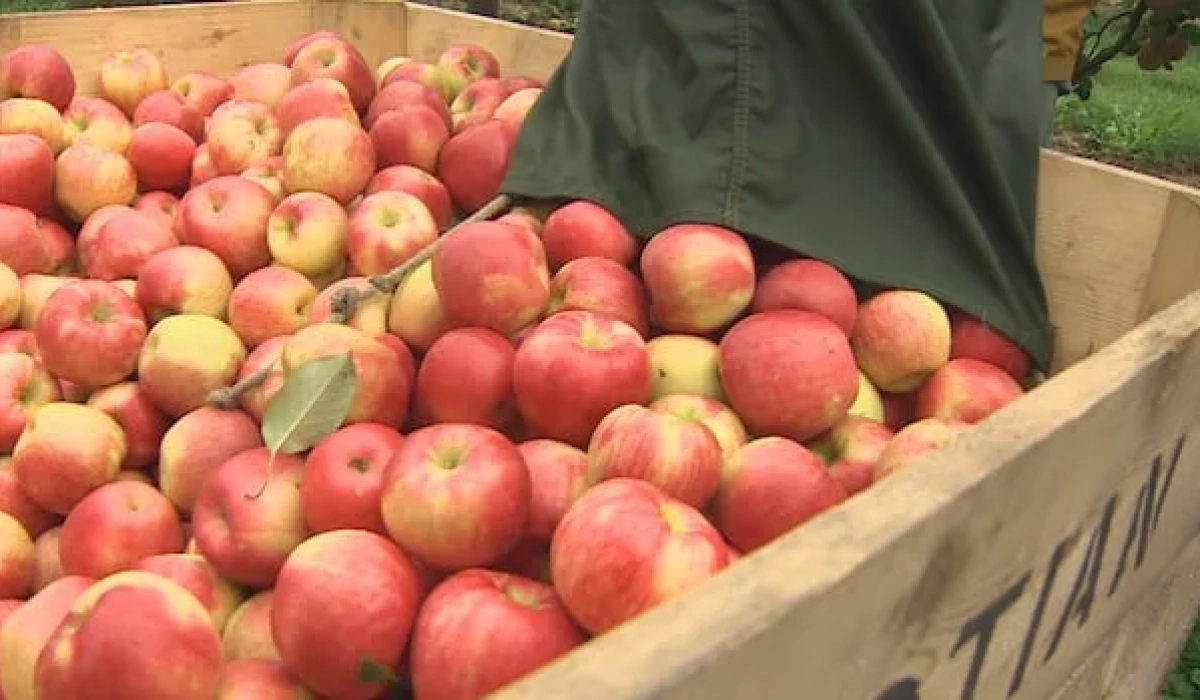
Apple growers in Nova Scotia say the smaller Honeycrisp apples now reaching consumers are a direct consequence of last summer’s drought. Emily Lutz of the Nova Scotia Fruit Growers’ Association told CBC that many apple varieties struggled to reach market grade in a dry year because apples are largely made up of water and simply do not size up properly when moisture is limited.
The effect stands out especially strongly in Honeycrisp, a variety that usually creates the opposite challenge. Lutz said Nova Scotia growers often have to manage the crop so the fruit does not become too large for standard market categories. This season, however, shoppers have been seeing noticeably undersized fruit in a variety that is normally associated with unusually big apples.
Lutz said fruit size is shaped not only by genetics but also by orchard management. Modern orchards use smaller trees, which expose apples to more sunlight and help build the variety’s strong colour. Growers also practise crop-load management, working out how many apples a canopy can support, because overloaded trees will not bring fruit to its full potential.
Prospects for the next crop remain cautious but not negative. Lutz said Honeycrisp can return to its normal large size if the season delivers enough water and sunshine, and she stressed that last year’s drought does not automatically mean a permanent decline in fruit size. Even so, the province is still dealing with a moisture deficit as soils and water tables continue recovering from the previous season.
Growers also do not yet know the full longer-term effect of the drought on orchard health, because tree stress can show up over several years. At the same time, this season delivered a decent bloom, and cool weather kept flowers open longer, giving bees a wider pollination window. With the October harvest still ahead, weather and water supply will continue to shape final fruit size and quality, but growers say there is still reason for cautious optimism.