
Nigeria’s food import bill rose to N7.65tn in 2025 as hunger indicators worsen
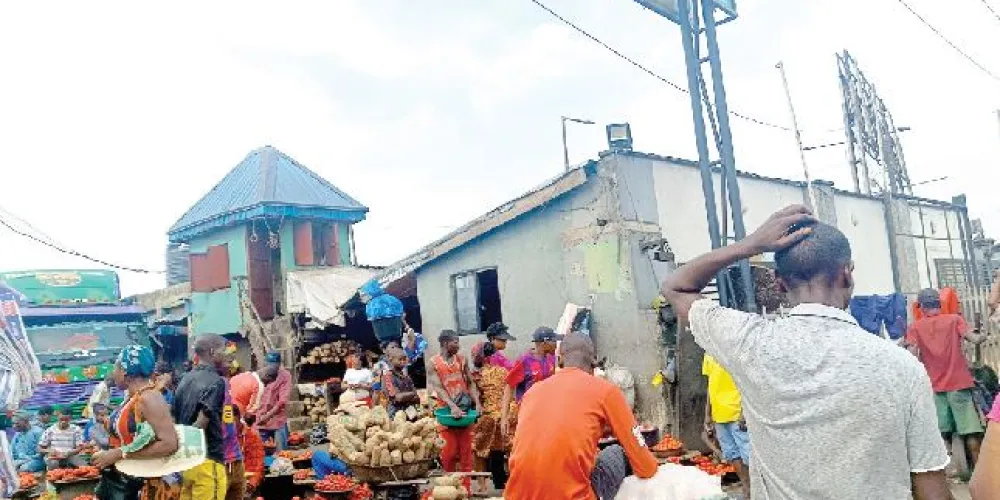
Nigeria spent N7.65 trillion on food and beverage imports in 2025, yet food insecurity remained severe, according to reporting by PUNCH. Analysts interviewed in the article said import growth has not translated into broad household access because affordability, not only availability, is the core bottleneck.
The import bill has climbed rapidly over three years: N6.58 trillion in 2024 and N3.83 trillion in 2023, implying a year-on-year increase of N1.07 trillion from 2024 to 2025. Even when imports arrive, additional processing, domestic logistics, and distribution costs push final retail prices upward.
FAO estimates cited in the report indicate about 27.2 million Nigerians are currently facing hunger, with the figure potentially rising to 34.7 million between June and August 2026 without timely interventions. The October 2025 Cadre Harmonisé analysis linked the deterioration to conflict and violence in producing areas, economic shocks, organized crime, and climate shocks including dry spells and floods.
Price dynamics continue to tighten access. The story says food inflation rose to 12.12 percent in February after a period of lower readings. Farmers also attributed staple price increases to high input costs and called for stronger policy support to stabilize production economics and market affordability.
Public health nutrition expert Beatrice Ogunba argued that higher import volumes do not automatically improve nutrition outcomes if much of the basket is ultra-processed and nutrient-poor. She also pointed to persistent malnutrition concerns, including around 40 percent stunting and widespread deficiencies in iron, vitamin A, and zinc.
Economist Muda Yusuf said import arrival at ports does not guarantee low prices because power, logistics, financing costs, and exchange-rate depreciation all raise consumer prices; he added that farm-to-market transport can double food costs. The policy direction highlighted by experts is greater mechanization, subsidized inputs, and infrastructure fixes so import spending and local production both improve real food access.
Not yet comments. Be the first!
Comments · 0