
Nigeria moves to tighten sesame and cowpea export compliance
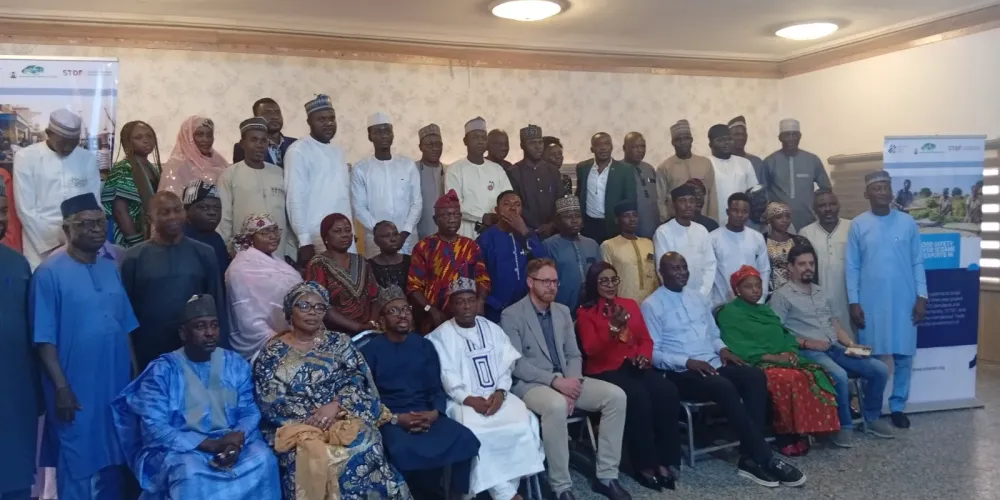
The Nigerian Export Promotion Council, or NEPC, has begun a two-day needs-assessment and validation workshop in Kano with the International Trade Centre to strengthen export compliance in sesame and cowpea. Punch reports that the initiative focuses on sanitary and phytosanitary, or SPS, communication and coordination so Nigerian shipments face fewer rejections in international markets. Farmers, exporters, associations, and development partners are all involved in the exercise.
NEPC Executive Director and Chief Executive Officer Nonye Ayeni said the workshop is designed to identify gaps, overlaps, and areas of synergy in how SPS issues are managed across the sesame and cowpea value chains. In her view, stronger communication with all actors in those chains is essential if Nigeria wants to improve compliance consistently and not just react shipment by shipment. The immediate target is a more effective and inclusive awareness strategy that can reach both producers and exporters.
Ayeni said Nigeria's non-oil export value reached $6.1 billion in 2025, the highest in the country's history. Export volume also climbed to a record 8.02 million metric tonnes, with 281 products shipped to 120 countries, including 11 ECOWAS members and 32 African countries. NEPC also said it had helped more than 210 exporters secure international certifications such as Halal, FDA, and ISO. That context matters because it shows the country is trying to move quality assurance closer to the center of its export growth model.
The current effort sits inside the STDF 845 initiative launched in 2024, with NEPC acting as the implementing agency. The council says that by working with agencies such as SON, NAFDAC, and NAQS, it has already seen a sharp reduction in export rejection. Product Development Director Macpherson Fred said the programme is structured in two parts: an April 14-15 communication and awareness session for farmers and primary producers, followed by April 16-17 export quality management training for exporters, aggregators, and other downstream actors.
The rationale is practical and rooted in past trade setbacks. Fred recalled that cowpea exports to the European Union were banned in 2015, while pesticide-residue problems in the sesame chain have led to border rejections in foreign markets. The stated aim of the NEPC-ITC partnership is therefore clear: ensure Nigerian exports meet destination-market SPS requirements and drive rejections toward zero. For Nigeria's farm economy, that makes this more than a technical workshop; it is part of a broader effort to make export growth more durable by linking volume with verifiable compliance and quality control.
Not yet comments. Be the first!
Comments · 0