
Michigan incubator farm trains new growers as entry barriers keep rising
Michigan’s Great Lakes Incubator Farm is trying to lower the risk of entering agriculture as new farmers face expensive land, climate pressure and uncertain public support.
Grist reported on June 8 that the Great Lakes Incubator Farm near Traverse City, Michigan, is giving aspiring farmers a way to learn in a working production setting without having to take on the full financial risk of launching a business immediately. The article frames the programme as a practical response to a set of structural pressures that continue to limit entry into farming across the United States.
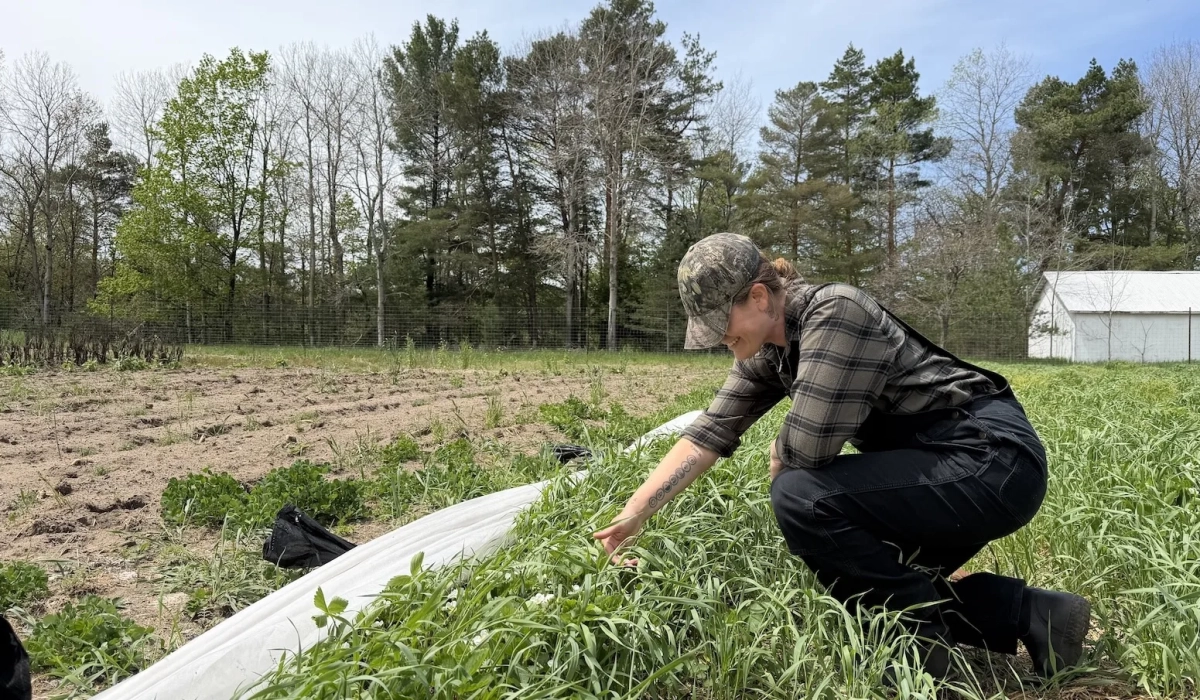
The farm runs a seven-month programme for a three-student cohort. Participants learn pest management, tractor operation and farm business planning while producing crops that are sold to local residents who have already committed to buy the season’s produce. Leftover fruits and vegetables are donated to food-rescue operations, and the programme is designed as training infrastructure rather than as a profit-maximising farm business.
Grist places the project against a difficult economic backdrop. A National Farm Bureau report said farm bankruptcies were up 46% last year, while other research cited in the story found that more than 50,000 acres of farmland have been lost over the last two decades as development pressure and land prices rose. Those trends help explain why motivated new entrants can still struggle to secure land, capital and enough operating margin to survive the first years.
The training focus is explicitly regenerative. Students are taught an approach centred on soil health and on reducing heat-trapping emissions from agriculture. The story follows several participants, including Rachel Greenberg, 33, from Indianapolis; Troy Saruna, 28, who previously worked in conservation; and Shanaya Holmes, 49, who already runs a small four-acre farm in Alabama and wants to strengthen production and record-keeping skills in a different climate.
Farm manager Adam Brown says the programme is meant to be a stepping stone into the wider food system, whether graduates end up managing farms, starting their own businesses or taking other roles in local food networks. The operation relies mostly on a nearly $700,000 USDA grant for beginning farmers, but that support ends after the harvest season in October. Brown plans to reapply, yet the article notes that USDA cancelled $148 million in grants in 2025, including some tied to beginner farmer support.
That leaves the project sitting at the intersection of two opposing trends. On one hand, USDA census data cited by Grist show that the number of Michigan farmers under 45 rose by about 20% between 2017 and 2022. On the other hand, the funding pipelines needed to sustain that generational renewal remain fragile. In that sense, the Michigan incubator is not just a local training story. It is also a measure of how difficult it still is to build a new generation of growers under current land, finance and policy conditions.