
Madhya Pradesh digitises fertilizer distribution with e-Vikas and QR verification
Madhya Pradesh has expanded its AgriStack-linked e-Vikas system statewide to manage fertilizer distribution through e-tokens, QR checks and real-time stock visibility. Officials say queues have fallen sharply, but experts warn that digital control cannot substitute for stable supply and subsidy reform.
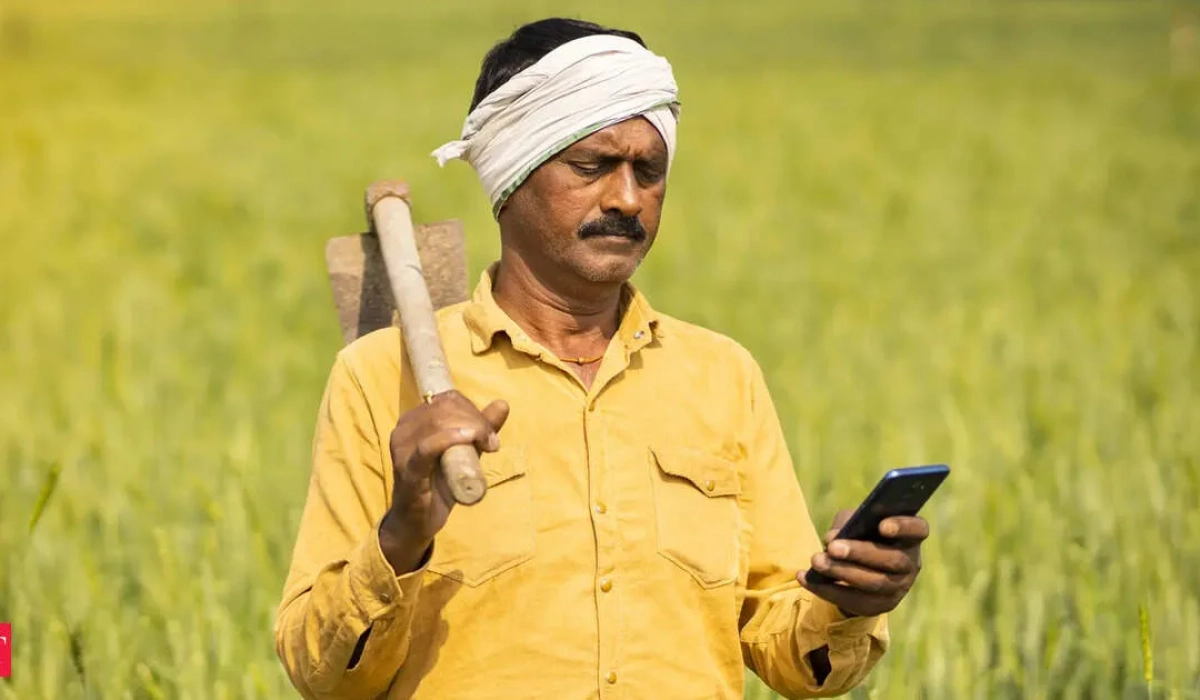
Madhya Pradesh is trying to solve long-running fertilizer distribution problems through an AgriStack-linked digital platform called e-Vikas. The Economic Times reported that the system was rolled out statewide on April 1, 2026 after pilots in three districts in October 2025. The objective is to replace paper queues, manual allocation and panic buying with e-tokens, land-linked entitlement checks and transparent stock visibility.
Agriculture Secretary Nishant Warwade said the previous model often produced demand spikes during sowing, long lines, uneven availability across outlets and weak last-mile delivery, with smaller farmers suffering the most. Under the new setup, a farmer registered on AgriStack can apply for a chosen fertilizer from a chosen retailer. Farmers who are not yet on AgriStack are still served through an exception-handling mechanism while they are gradually onboarded.
Farmer Parvar Singh Rajput from Vidisha said the new platform has made procurement much easier. He said that before e-Vikas he had to stand in long queues and could get only three or four bags through cooperative societies, whereas now he can book tokens digitally and procure 30 to 40 bags at one time. According to the state government, about 1.4 million farmers have already used the platform, nearly 200,000 tonnes of fertilizer have been distributed through it and 1.166 million e-tokens have been issued. Officials also say long queues outside retail outlets have almost disappeared.
The system uses Aadhaar-linked e-tokens, QR verification, real-time stock visibility and slot-based collection. Tokens can be generated between 7 am and 8 pm and remain valid for 72 hours. Allocation is linked to landholding and cropping patterns, and stock levels update automatically after fertilizer is lifted from retailers or cooperative outlets. The state says more than 1.4 million tonnes of fertilizer stock are currently available, that 17,133 retailers are registered on the portal and that a cap of 50 bags per farmer per month is in force.
Supporters say digital tracking can also curb diversion and black marketing of subsidised fertilizer. Since September 1, 2025, total fertilizer distribution through the wider system has reached 573,000 tonnes, including 362,000 tonnes of urea and 113,000 tonnes of DAP. Rahul Mirchandani of Aries Agro said OTP verification, stock tracking and digital audit trails should make duplicate lifting and diversion significantly harder, even if measurable impact is still evolving.
Critics, however, argue that digitisation alone cannot solve the deeper structural problem. Some farmers say allocation linked tightly to crop records can undersupply actual field needs, especially for non-registered crops such as fodder. Economist Ashok Gulati said India’s fertilizer crisis is rooted in a skewed subsidy regime in which urea is subsidised by nearly 90 percent while phosphatic and potassic products receive much less support. In his view, e-tokens, QR monitoring and quantity caps are only second-best administrative responses unless price distortions are corrected.
Even supporters of the platform stress that technology cannot replace physical supply. Farmer leader Anil Ghanwat said the system can succeed only if it is backed by seamless, uninterrupted fertilizer availability. That means e-Vikas may become a useful model for wider reform, but its success will ultimately depend on whether digital governance is matched by timely product delivery during peak farm demand.