
Kharif sowing in India slumps 23% amid delayed monsoon and reservoir concerns
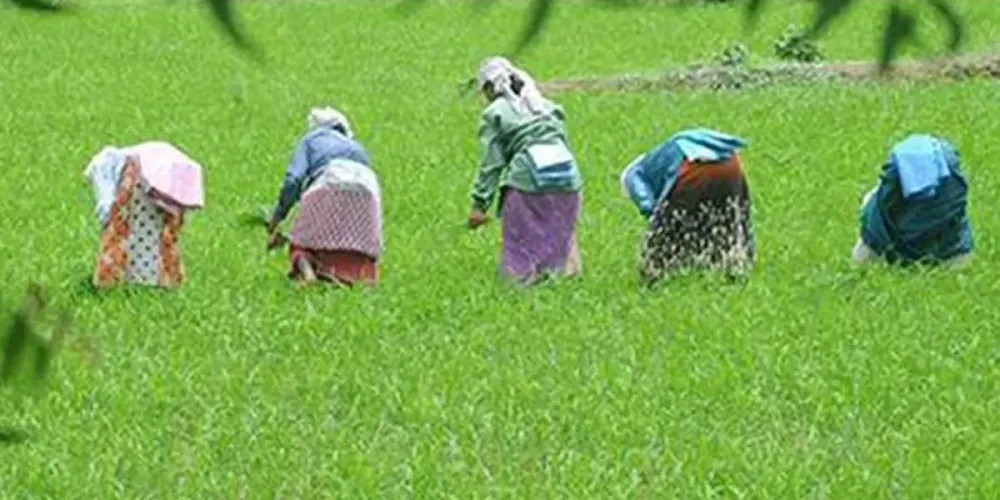
Latest data from India’s Ministry of Agriculture indicates that the sowing of Kharif crops is lagging significantly. As of June, the total area sown reached 182.72 lakh hectares, marking a 23% decline compared to the 236.46 lakh hectares reported during the same period last year. The primary driver of this trend is the delayed onset and sluggish progress of the southwest monsoon, which is critical for agricultural operations across the nation.
The impact is widespread, affecting most major Kharif crops. Paddy, the most significant crop for the season, has seen its acreage drop by 25.17% to 25.75 lakh hectares. The oilseeds segment faces a more severe crisis, with acreage plummeting by 53.33% to 16.99 lakh hectares. Similarly, pulse cultivation is down by 30.47%, and cotton sowing has seen a reduction of 34.61%. In contrast, sugarcane and jute have recorded marginal increases in their sown areas.
Climatic challenges are further exacerbated by El Nino conditions present over the equatorial Pacific Ocean, which are expected to intensify through the June-September period. According to the India Meteorological Department (IMD), monsoon rainfall was 42% below normal as of June 24. Central India is particularly hard hit, facing a 59% rainfall deficit, while the East, Northeast, and the South Peninsula are experiencing deficits of 41% and 28%, respectively.
Water security remains a critical concern for farmers. Data from the Central Water Commission (CWC) shows that live storage in 166 key reservoirs stood at 48.405 billion cubic metres (BCM) as of June 25. This equates to 26.37% of the total full reservoir level (FRL) capacity. While the current storage is reported at 105.67% of the normal level, a closer inspection reveals that 55 reservoirs are at or below 80% of normal capacity, with 29 of those holding less than 50% of their normal volume.
The current state of the agricultural sector highlights the vulnerability of India’s Kharif season to climate variability. Policymakers and farmers remain in a state of watchful waiting, hoping for a recovery in rainfall intensity throughout July. The persistence of these conditions poses a substantial risk to agricultural output and food security, making the coming weeks pivotal for the remainder of the sowing season.
Not yet comments. Be the first!
Comments · 0