
Gujarat expands Narmada water coverage and crop contingency plans over El Nino risk
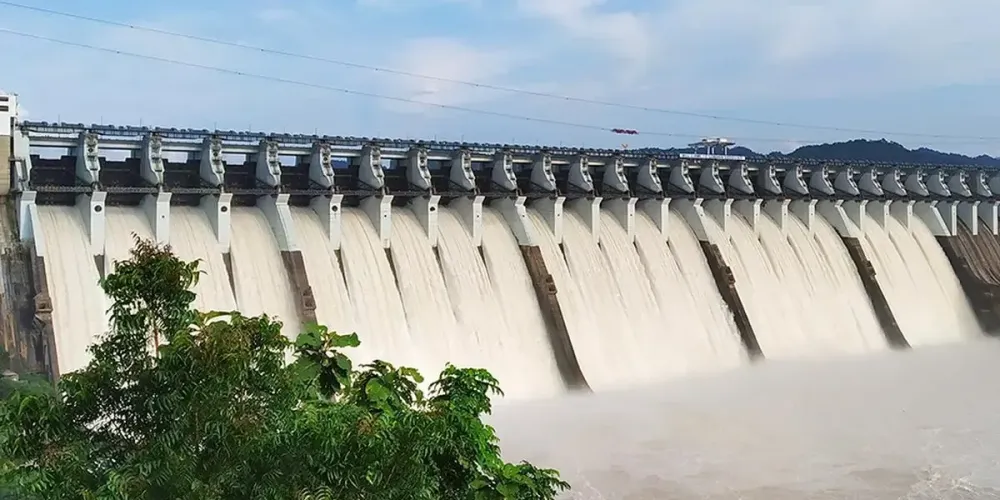
Gujarat has stepped up preparations for a possible El Nino impact during the current monsoon season by widening the reach of its Narmada-based water network, ordering the filling of more than 300 lakes and preparing contingency crop plans for farmers. BusinessLine reported that the measures were reviewed at a high-level meeting chaired by Chief Minister Bhupendra Patel in Gandhinagar as the state weighed delayed monsoon conditions and forecasts suggesting that El Nino could become a factor this season.
One of the main decisions was to expand lake-filling eligibility under the Narmada pipeline system. Previously, only lakes within a three-kilometre radius of the pipeline were covered, but the limit has now been extended to seven kilometres. The state expects that move to bring more than 300 lakes in North Gujarat into the Narmada water-supply ambit through the Sujalam Sufalam initiative. Authorities also directed officials to prioritize filling reservoirs linked to the SAUNI programme so drinking water remains available across Saurashtra.
Agriculture Minister Jitu Vaghani said several departments, including agriculture, irrigation, water resources, revenue and animal husbandry, have prepared coordinated plans to reduce the impact of any rainfall shortfall. The Agriculture Department has drawn up a contingency framework with advisories on alternative crops, short-duration varieties and low-water-requirement crops if monsoon rainfall proves deficient. The state also plans to use its AI-based Krushi Pragati platform to send weather alerts and crop advisories to more than 50 lakh farmers by mobile message.
Officials said Gujarat has adequate stocks of seeds and fertilizers for the current kharif season. The government has also asked animal husbandry and forest departments to ensure fodder availability, and officials say the state currently holds fodder reserves sufficient for nearly two years. That means the preparedness plan is not limited to field crops alone, but also covers livestock continuity if a prolonged rainfall gap puts pressure on feed resources.
Vaghani stressed that severe El Nino years do not automatically translate into drought in Gujarat, pointing to above-normal rainfall in both 2006 and 2023 despite strong El Nino conditions. Even so, the state’s response shows that officials are choosing to secure the season in advance through water logistics, seed and fertilizer stocks, fodder planning and digital advisory systems rather than waiting for climate risk to turn into a harvest crisis.
Not yet comments. Be the first!
Comments · 0