
Rabbit plague costs Riverina farmers up to $100,000 a year
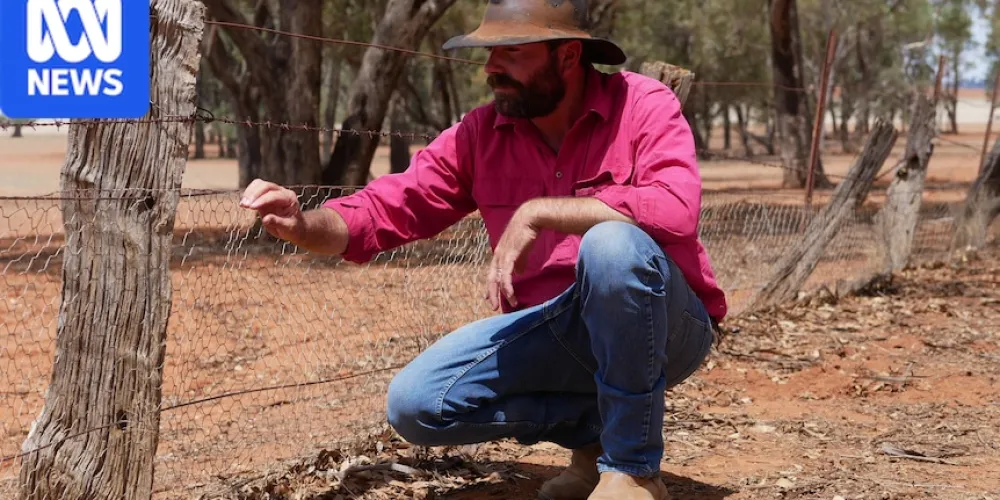
Farmers in the Riverina region of southern New South Wales say rabbit numbers are driving steep production losses. Peter O'Brien, a landholder near Coolamon, told ABC he has avoided planting some paddocks for the past three years because of repeated crop damage. Using a thermal camera at night, he said he can see between 5,000 and 10,000 rabbits, and a 120-hectare paddock can no longer be used for canola after rabbits destroyed about 50% of the crop in 2023. He puts the annual cost in lost production and labour at $50,000 to $100,000.
O'Brien joined the first baiting program of the season this week with seven other landholders. Farmers distributed carrots treated with the chemical Pindone, averaging about 200 kilograms for each participant, and expected to kill 5,000 to 10,000 animals. Even so, the local effort makes only a small dent in the wider population. The Invasive Species Council of Australia estimates there are more than 200 million wild rabbits nationwide and says they threaten more than 300 native species.
The problem is being compounded by weaker performance from calicivirus, which had been a key biocontrol tool. Invasive Species Council chief executive Jack Gough said resistance is rising in the remaining rabbit population and that a new virus could still be eight to 10 years away without further funding. Australia’s Department of Agriculture, Fisheries and Forestry said more than $1.2 million in federal funding is currently supporting wild rabbit projects, including biocontrol research. For crop producers, the story highlights how direct yield losses, baiting costs and delayed long-term control options can turn vertebrate pest pressure into a persistent farm-economics problem.
Not yet comments. Be the first!
Comments