
Irish nitrates derogation faces EU review push over water-quality and dairy-intensity concerns
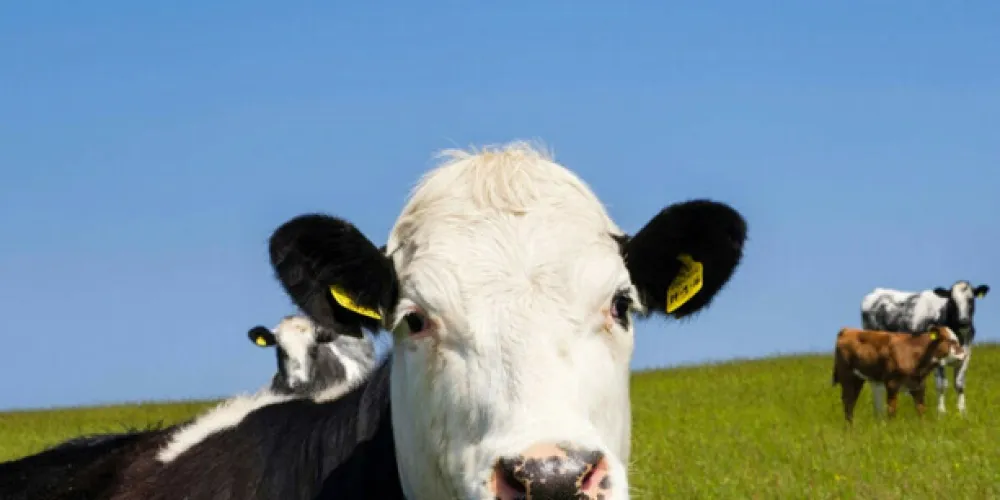
Ireland’s nitrates derogation has moved back into the centre of farm-policy debate after An Taisce, the National Trust for Ireland, sought a review of the European Commission decision that extended the exemption. The group argues that continuing the allowance for more intensive farming was not properly justified under EU water-quality and biodiversity law. The issue matters directly to the dairy sector because the derogation was extended for another three years in December.
The exemption covers about 7,000 Irish farmers and allows them to keep denser cow herds than the normal baseline limit. That has long made it controversial among environmental groups. The Journal noted that Ireland is now the only European country still availing of the derogation, which raises the political stakes of any new review by Brussels.
In its submission, An Taisce said the Commission should reconsider the decision and withdraw the permission because, in its view, Ireland did not demonstrate that the extension was compatible with EU requirements on water protection and biodiversity. The organisation also argues that the decision lacked essential safeguards against pollution linked to intensive animal agriculture, particularly dairy farming.
Under the EU Nitrates Directive, the total amount of nitrogen from organic manure applied to land should not exceed 170 kilograms per hectare annually. That limit is central to the policy dispute because excess nitrogen in rivers can drive algal growth, damage aquatic ecosystems and reduce oxygen levels. The article cites an Environmental Protection Agency report showing nitrogen levels in Irish waters rose by 16% last year, while An Taisce’s submission says nitrate concentrations in 2025 were 10% higher than in 2024.
The European Commission has 16 weeks to respond and may extend that period to 22 weeks. For Irish agriculture, the case is more than an environmental legal argument: it could reshape the operating framework for dairy intensity, manure management and compliance costs on farms. If water-quality pressure continues to build, the balance between livestock output and environmental limits will return to the heart of Irish farm policy.
Not yet comments. Be the first!
Comments · 0