
IREF in partnership with S&P Global Energy to analyze El Nino's impact on the global rice market
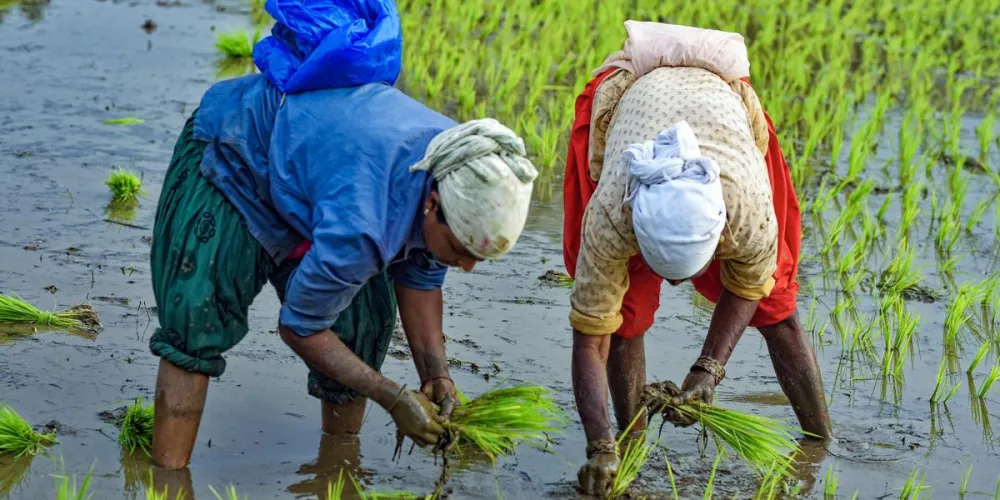
The Indian Rice Exporters Federation (IREF) has announced a strategic collaboration with S&P Global Energy to assess the risks facing the global rice market. The partnership aims to provide a comprehensive analysis of how the ongoing El Nino phenomenon, coupled with rising production costs and geopolitical instability, is reshaping the landscape of rice production and trade worldwide.
According to IREF, global rice production is projected to decline by 9 million tonnes (mt) in the 2026-27 marketing year (October-September). With the US National Oceanic and Atmospheric Administration (NOAA) forecasting a 97 percent probability of El Nino persisting into early 2027, the stability of the paddy crop is under significant threat. This meteorological forecast has raised urgent concerns regarding future production levels, international trade flows, and global food security.
The federation noted that the impact of El Nino is expected to last until at least April 2027, affecting virtually all major rice-growing regions. This environmental stress is being exacerbated by elevated input costs—specifically for fertilizers and fuel—as well as rising transportation expenses linked to tensions in West Asia. These factors are creating a complex risk environment that could influence planting decisions across Asia and beyond.
Despite these challenges, global exports are expected to remain stable, supported by strong carry-over stocks from the 2025-26 marketing year. However, global import demand is projected to rise by nearly 4 million tonnes, reaching 59.7 million tonnes, as countries move to secure their supply chains in anticipation of potential harvest shortages. This increase highlights the heightened sensitivity of importing nations to supply risks.
S&P Global Energy will present a detailed assessment of these risks at the three-day Bharat International Rice Conference, which is scheduled to take place in New Delhi starting October 24. The presentation will analyze where supply vulnerabilities are most significant, which markets will emerge as key importers, and what price trends can be expected over the next 52 weeks. The study aims to provide stakeholders with clarity on whether current market movements adequately account for the ongoing climate-related challenges.
Not yet comments. Be the first!
Comments · 0