
Indonesian Agriculture Minister Grants Rp1.3 Trillion Aid to South Papua Farmers
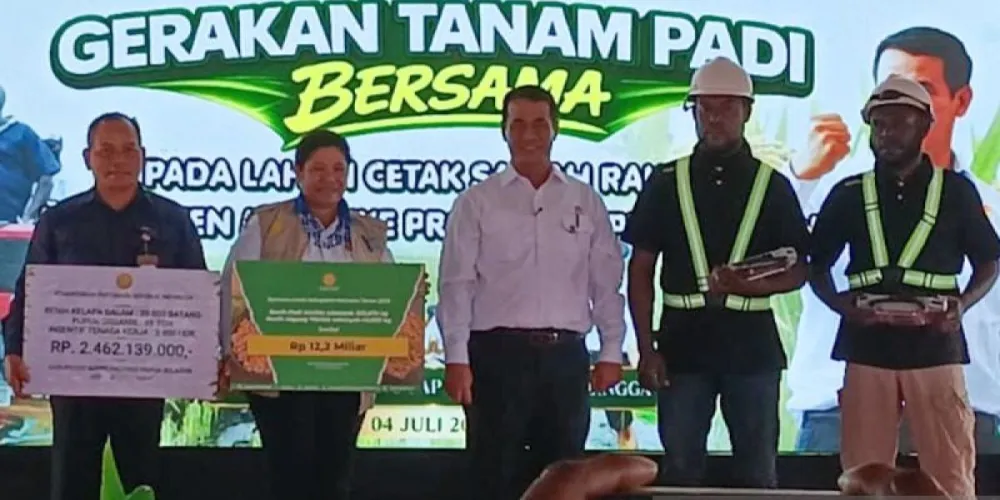
Indonesian Agriculture Minister Andi Amran Sulaiman has announced an agricultural assistance package worth Rp1.3 trillion (approximately US$70 million) for South Papua for the 2026 fiscal year. The official handover of the equipment took place on July 4 in the Merauke District, as part of an event dedicated to rice field development and land optimization covering 137,000 hectares.
This initiative is aimed at accelerating the transition to modern, mechanized agriculture, intended to strengthen regional food security and enhance the competitiveness of agricultural products. According to the Minister, this support is a strategic step toward ensuring national food sovereignty and significantly improving the welfare of local farmers.
The technical equipment provided in the aid package includes 122 combine harvesters, 810 two-wheeled tractors, 477 four-wheeled tractors, 12 agricultural drones, and 1,188 water pumps. In addition to the machinery fleet, the government provided farmers with three million kilograms of fertilizer, 22,000 tons of subsidized fertilizer, 36,229 kilograms of pesticides, and 12 power thresher units for primary crop processing.
Investment in plantation crop development is also notable, with Rp12.2 billion (about US$659,000) allocated for the purchase of coconut seeds and seedlings. Minister Sulaiman highlighted that the successful implementation of these technologies is already yielding results; the use of modern machinery has increased the cropping index in Merauke to two plantings per year, surpassing the national average of 1.6 to 1.7 times.
Andi Amran Sulaiman expressed particular pride in how local residents have successfully mastered the operation of modern agricultural equipment. He stated that the level of technology in Merauke is now on par with practices found in developed nations such as China, Japan, and the United States. The program is viewed not only as material support but also as an initiative for technology transfer to the younger generation of farmers, which will ensure the sustainable development of the region for years to come.
Not yet comments. Be the first!
Comments · 0