
Indonesia says rice output can hold despite El Niño risk
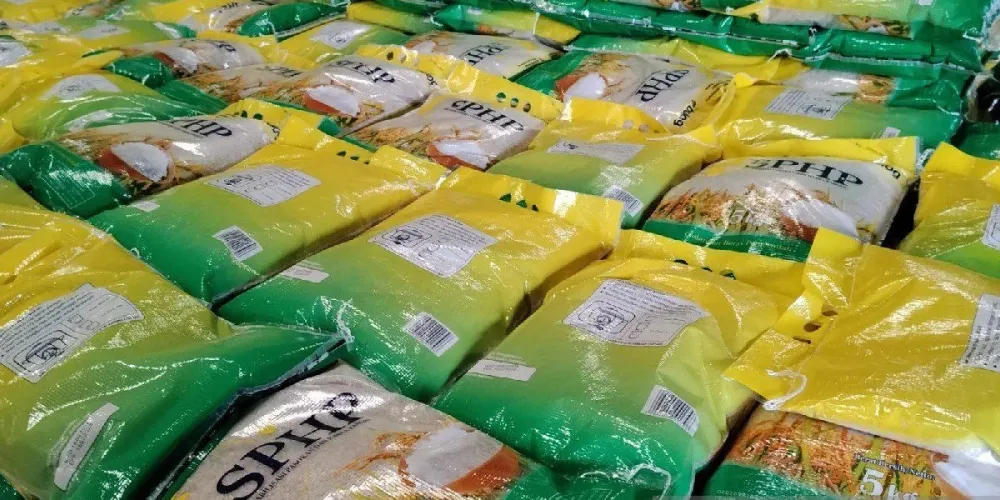
Indonesia’s Agriculture Ministry says national rice production is expected to remain stable despite the risk of El Niño-driven drought later this year. Deputy Agriculture Minister Sudaryono said the government began preparing early after receiving climate warnings from the Meteorology, Climatology and Geophysics Agency, BMKG. The immediate policy focus, he said, is to make sure production does not decline as dry conditions intensify.
To protect output, the government has already moved on a package of preventive measures. Those include water pumping, pipeline installations and drilled wells aimed at keeping farmland productive through the dry season. At the same time, the ministry is pushing to raise the national cropping index so that planting and harvesting cycles can be used more intensively through the year. Sudaryono said the target is to move closer to IP200, which implies two planting and harvesting cycles annually.
He noted that Indonesia’s average harvest frequency remains below two crops a year, leaving room for improvement if water management and planting schedules can be strengthened. The government is also preparing for a worst-case drought scenario by leaning on existing buffers. According to Sudaryono, rice stocks held by the state logistics agency Bulog currently stand at about 5.3 million metric tonnes.
In addition to those official reserves, Indonesia has nearly 12 million tonnes of standing rice crops and about 12 million tonnes of rice stocks held by households and private channels, he said. That would bring total rice availability to around 28 million tonnes. Based on monthly consumption, Sudaryono estimated that those reserves would be sufficient for about 10.8 months, or nearly 11 months. He added that such a buffer should be enough even if El Niño conditions last as long as six months.
The issue matters because Indonesia is one of the world’s largest rice consumers and depends heavily on stable domestic production to control inflation and keep food affordable. Against that backdrop, the government has intensified irrigation support, accelerated planting programmes and increased procurement through Bulog to stabilise domestic rice supplies and prices. Officials are effectively presenting the current season as a test of whether climate-risk management, reserve policy and production planning can hold the rice market steady at the same time.
Not yet comments. Be the first!
Comments · 0