
Australian grain regions may finally see relief from a severe mouse plague
Western Australia’s farm belt has been hit by mouse densities of up to 8,000 per hectare, but researchers say drier conditions and stronger bait may soon ease the pressure.
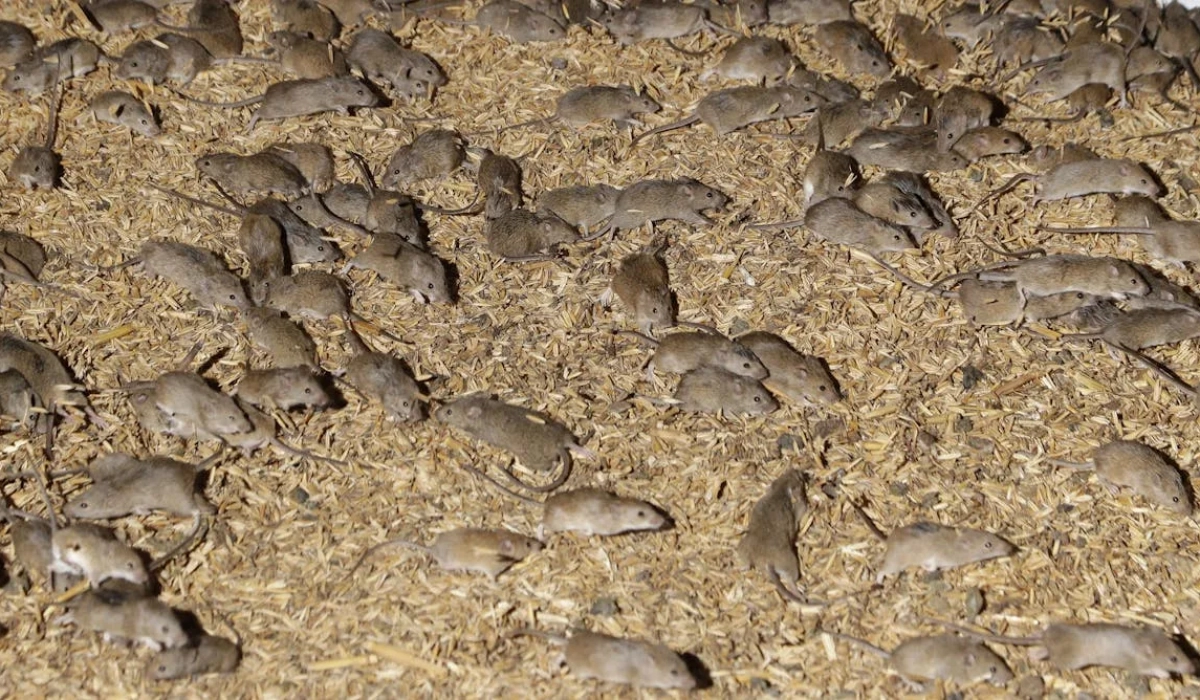
Agricultural communities in Western Australia are still dealing with one of the region’s worst mouse outbreaks in years, but researchers now see reasons to believe the worst phase may begin to fade. Writing in The Conversation, scientists said parts of the northern wheatbelt have recorded up to 8,000 mice per hectare, roughly ten times the threshold used to officially declare a mouse plague. For rural households, the infestation has gone far beyond the paddock, spilling into homes, sheds and roads.
The current outbreak began in April after a cyclone created ideal breeding conditions. Increased rainfall and higher soil moisture boosted crop growth and native vegetation, which in turn supplied abundant food for mice and supported rapid reproduction. Researchers had already warned of the risk in March based on modelling and field monitoring. They also note that large-scale mouse plagues are mainly seen in Australia and China, although the reasons for that pattern are still not fully understood.
The article outlines three reasons the outbreak may now start to weaken. First, drier conditions mean less food, because lower crop yields and reduced plant growth cut the resources that sustain large mouse populations. Second, rainfall is the strongest predictor of mouse plagues: when rain is unusually high, females have the nutrition needed to breed quickly, and major outbreaks typically appear about three months later. Third, Western Australia’s hot, dry summer tends to harden and dry the soil, making it much harder for mice to burrow and keep reproducing.
The timing has made the plague especially damaging for agriculture because it has coincided with crop sowing. Farmers therefore lobbied for access to double-strength zinc phosphide bait, particularly for large-scale grain production. Australia’s federal pesticides regulator approved that stronger bait in May. Supporters argue it kills mice faster and more effectively than existing products, which is critical when rodent pressure hits during establishment of the crop.
At the same time, the stronger bait has raised new wildlife concerns. Scientists fear it may directly poison native grain-eating birds feeding in paddocks. One wildlife carer in the farming community of Coorow reported 106 native birds either dead or dying, including western corellas, little corellas, galahs, Regent parrots and Australian ringnecks. Although zinc phosphide is not thought to create strong secondary-poisoning risks in predators, the direct exposure question remains unresolved.
Researchers say testing birds for zinc phosphide exposure is possible, but those checks are not routinely used and can take weeks or months to complete. That means the long-term ecological effects of stronger bait are still uncertain. Even so, the combination of winter conditions, a likely decline in available feed and the recent regulatory approval of more potent bait is giving grain growers and local communities reason to hope that the current mouse plague may finally begin to retreat.