
ICAR Hyderabad says smart seed coating can raise yields by up to 37%
The Indian Institute of Oilseeds Research says its new biopolymer seed-coating system delivered yield gains of 12% to 37% in field trials across seven crops.
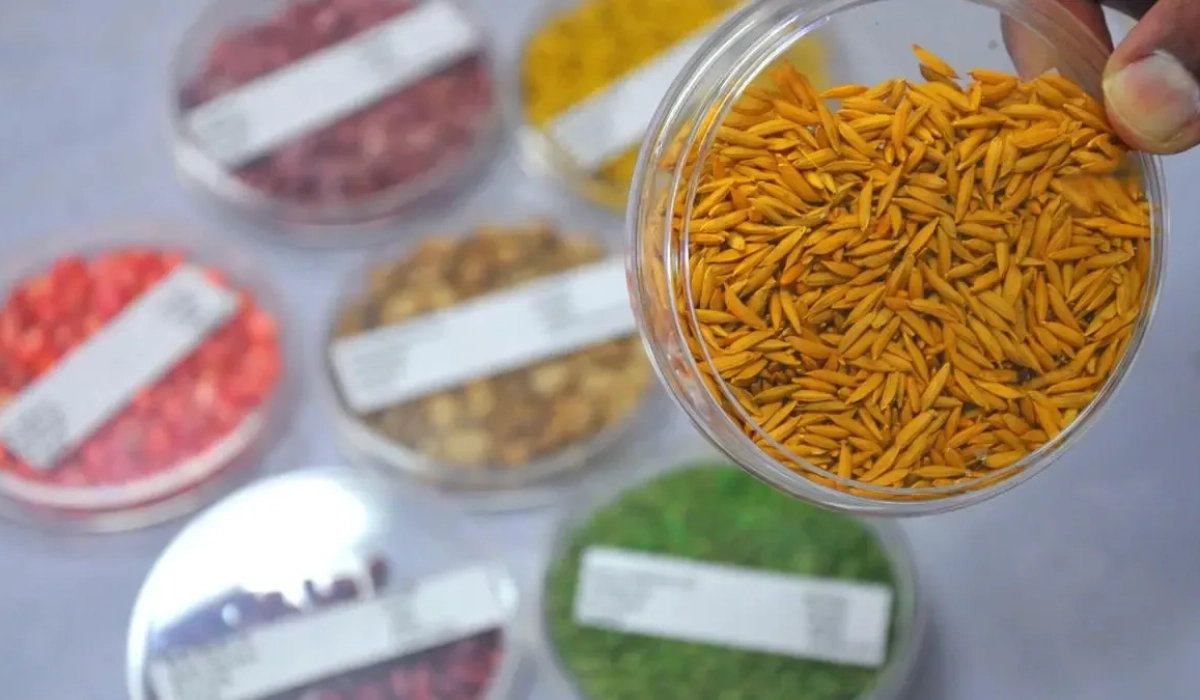
The Indian Institute of Oilseeds Research in Hyderabad has developed and demonstrated a biopolymer-based Smart Seed Coating Technology that, according to ICAR, can raise yields by as much as 37% over untreated seed. BusinessLine reported that the system has already been patented in India and is intended to improve seed quality, crop establishment and plant resilience under both biotic and abiotic stress.
The technology works by wrapping seed in a biodegradable layer that delivers microorganisms, nutrients and crop-protection agents directly at the seed-soil interface. ICAR said the coating improves germination and early plant growth, which is a critical stage because poor establishment can undermine yields even when later-season growing conditions are acceptable. In that sense, the innovation is aimed at a structural problem in crop production rather than a narrow one-crop input niche.
Field trials were conducted on seven crops: soybean, maize, groundnut, chickpeas, cotton, mustard and pigeon pea. ICAR said productivity gains ranged from 12% to 37% compared with untreated seed. Demonstrations in Telangana delivered yield improvements of about 30% in both groundnut and soybean relative to standard farming practice. Those results suggest the coating may have immediate value in oilseed and pulse systems as well as in broader row-crop production.
The research body also disclosed crop-by-crop yield figures for 2025-26. Groundnut yields reached 1.8 tonnes per hectare in the summer season, 2.26 tonnes in kharif and 2.4 tonnes in rabi. Soybean posted 1.02 tonnes per hectare, while mustard reached 1.46 tonnes, sunflower 1 to 1.35 tonnes, castor 1.98 tonnes and sesame 0.5 to 0.9 tonnes. By publishing those results, ICAR is trying to demonstrate practical performance rather than rely on abstract claims about better emergence.
ICAR said the coating can be tailored for cereals, millets, pulses, vegetables and horticultural crops, and that it is especially well suited to rainfed areas that remain exposed to erratic monsoons and drought. The next step is to work with state seed corporations, farmer producer organizations and private seed companies so the technology can move beyond trial plots and into commercial distribution. If that scale-up succeeds, the coating could become a useful resilience tool for smallholders farming under moisture stress.