
Higher fuel and fertiliser costs squeeze Canadian farmers during spring seeding
Canadian farmers are facing sharply higher diesel and nitrogen fertiliser costs during spring seeding. The industry is increasingly worried that today’s input shock will influence not only the 2026 crop but planting decisions for 2027 as well.
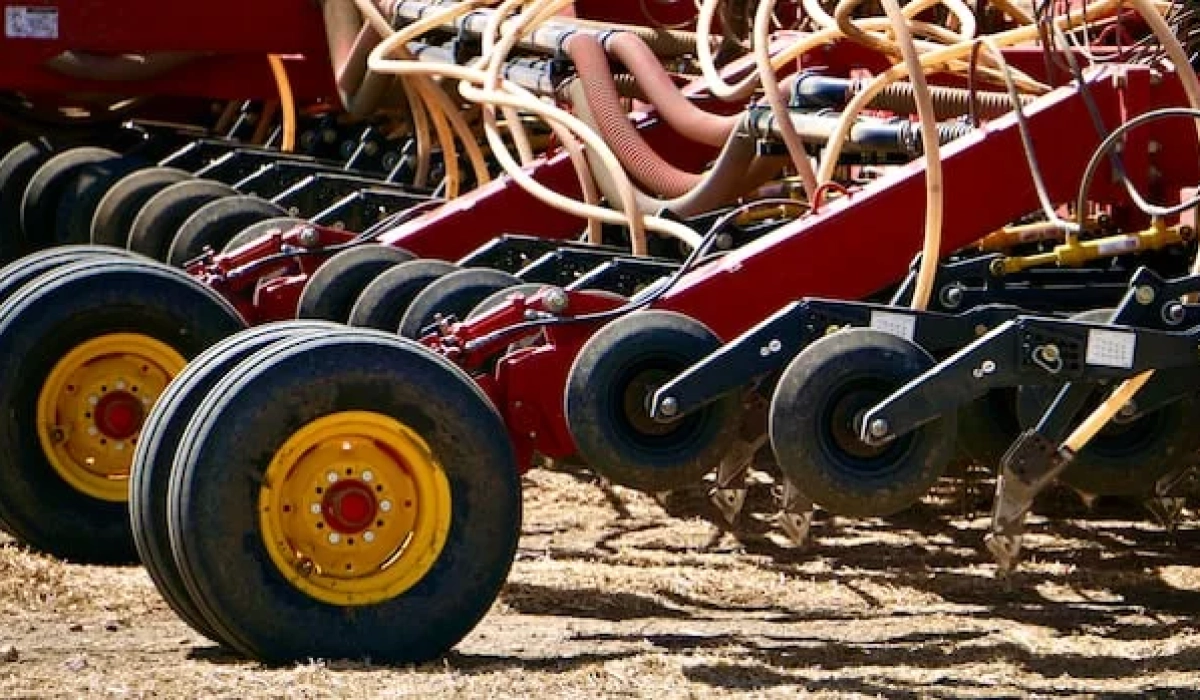
Spring seeding in Canada is unfolding under sharply higher costs for diesel, freight and nitrogen fertiliser. CBC reported that farmers already working in the field are now calculating not only this season’s margins but also the risk to the 2027 crop year, because many of the biggest fertiliser and fuel purchases for next spring will be made in the coming months. That means the current price shock is extending well beyond the immediate planting window.
CBC illustrated the pressure through the farm of Leroy Newman near Blackie, Alberta. His family has grown crops there since 1904, and this spring they are seeding more than 1,600 hectares of wheat, barley, peas and canola. After an excellent 2025 season, producers were hoping for a steadier start to 2026, but rising input bills are already pushing them to delay machinery purchases and look for savings elsewhere.
Nitrogen fertiliser is one of the biggest worries. Farm Credit Canada chief economist Craig Johnston said conflict in the Middle East and disruption around the Strait of Hormuz have hit a critical global trade route for energy and commodities, including roughly 30% of nitrogen-based fertiliser flows. As a result, the issue is being seen not just as a short-term spike but as a factor that could reshape crop choices in the next planting cycle.
That matters because canola and corn require high amounts of nitrogen, while peas, lentils and fava beans need far less or none at all. FCC estimates that farmers could switch about 5.5 million acres, or 7.3% of total cropland, into different crops this spring, while unseeded area could rise by another 280,000 acres to 1.4 million. For some producers, the cost of fertiliser may force a more defensive rotation strategy.
Fuel costs are adding to the squeeze. CBC said retail diesel prices across the country are averaging about C$2.18 per litre this week, more than 50% above the level of 12 months ago. Greg Stamp of Stamp Seeds said freight costs are up 20%, while fertiliser prices for the summer buying season are running around 40% higher than a year earlier. That leaves both retailers and farmers making difficult bets on whether to buy now at elevated prices or risk supply shortages later.
Although Canada is the world’s largest potash producer and also makes nitrogen fertiliser in the west, some parts of the country still rely on imports because internal transport is costly and complex. Economists quoted by CBC stressed that farmers cannot simply raise grain prices to recover those costs because they sell into an open global market. Even so, higher fuel costs are likely to move through the wider food chain via transport, from hauling grain and pulses to shipping processed food to grocery shelves.