
WA carrot exporters face losses as Middle East shipping disruption halts trade flow
Container-shipping disruption linked to Middle East conflict has cut off key export routes for Western Australia’s carrot industry, raising multimillion-dollar loss risks.
Western Australia’s carrot sector is facing a severe export shock after conflict-related disruption in Middle East shipping corridors. Industry representatives describe the pressure on an industry worth about $60 million, with many growers dependent on stable outbound container logistics.
ABC reports that Australia exported more than 48,000 tonnes of carrots to the Middle East last year, worth around $40 million. WA is the country’s largest carrot-exporting region, and growers say more than 600 tonnes are normally processed weekly for export.
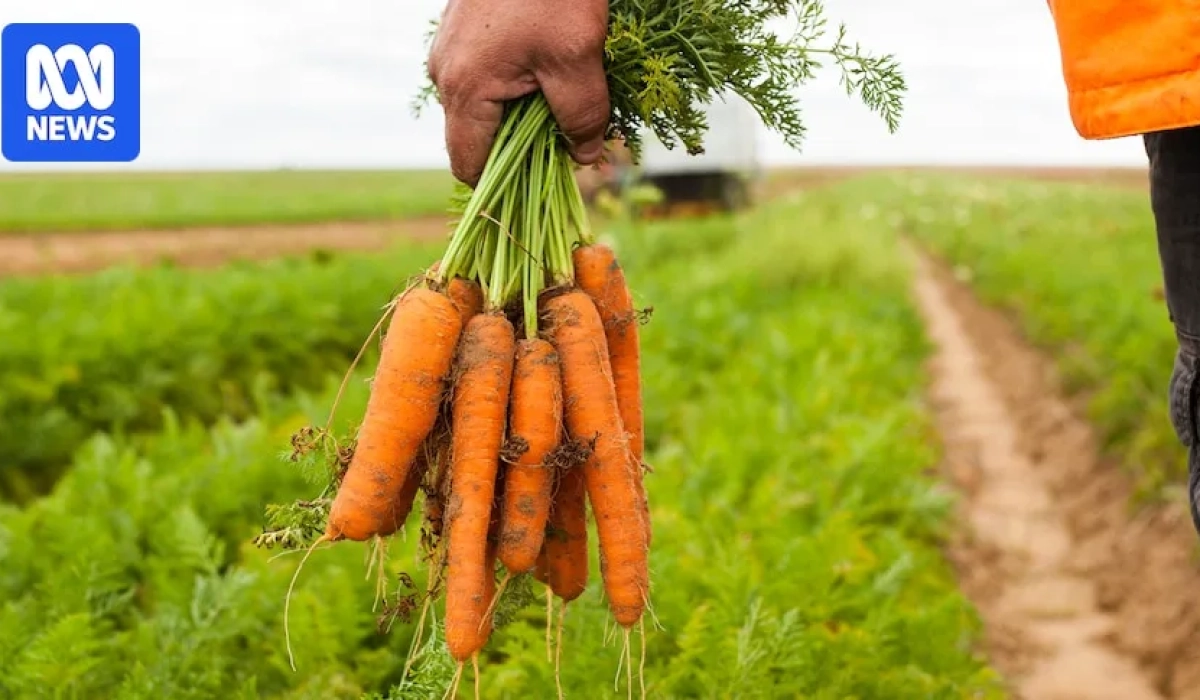
With shipping routes disrupted, producers say sales channels have stalled and unsent crop volumes are building. One farmer estimate cited in the report put potential composted acreage at around 40 hectares, with losses near $2 million. Another exporter reportedly had about $2 million worth of carrots already on the water when the conflict escalated.
Insurance coverage is a major vulnerability. Market participants said many shipments were not insured, which means losses from spoilage, diversion, or failed delivery contracts could be absorbed directly by growers and exporters. Shipping Australia also indicated that carriers halted services to and from the region while marine insurers suspended cover.
Domestic demand cannot easily absorb the excess. Producers argue that local consumption volumes are too small to offset export stoppages, which increases the risk of oversupply, price pressure, and forced disposal. In short, a logistics bottleneck is quickly becoming a farm-income and working-capital crisis.
Growers also flagged fuel availability as a second-order risk for planting, irrigation, and harvest operations. Together, these pressures illustrate how geopolitical disruption can transmit into agricultural markets through freight, insurance, input costs, and food-security channels within weeks.