
Diesel Prices Surge on Strait of Hormuz Tensions, Raising Costs for Transport and Agriculture
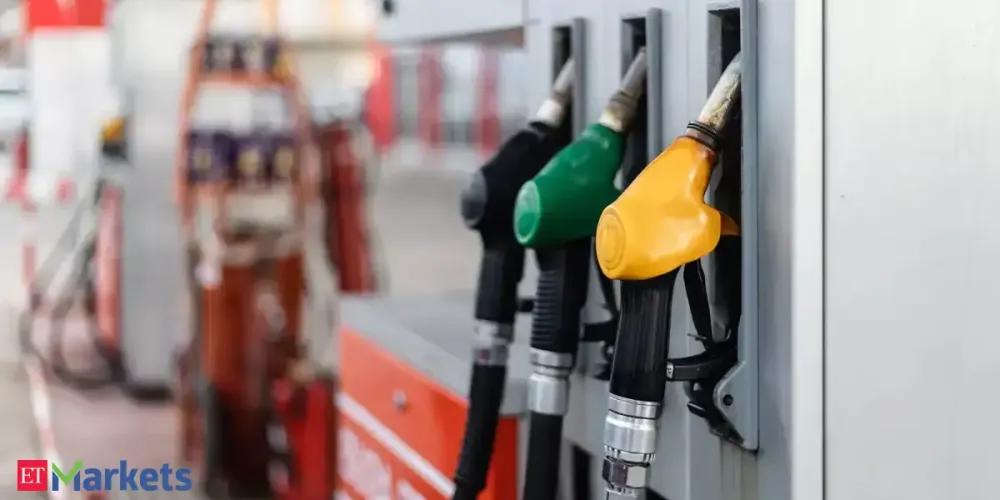
Diesel prices have risen sharply amid tight global supplies, shipping disruptions and strong demand, raising concerns about higher transportation costs and broader inflationary pressures for the global economy.
The Strait of Hormuz, a key seaborne chokepoint for diesel flows from the Middle East to Asia and Europe, has seen Iran-related disruptions that add uncertainty to diesel shipments and make markets more vulnerable to supply shocks.
Pre-existing constraints — including Ukrainian strikes on Russian refineries and Western sanctions on Moscow’s exports — have reduced refining capacity and reshaped trade flows, leaving diesel supplies tighter than usual.
Estimates cited via Reuters indicate potential disruptions of 3–4 million barrels per day of diesel-related flows at the chokepoint, and up to 0.5 million barrels per day could be removed from exports if Middle Eastern refiners face delays or blockages.
Market reactions have been pronounced: U.S. diesel futures rose by more than $28 per barrel between late February and early March. Similar price gains were recorded in Singapore and in the Amsterdam-Rotterdam-Antwerp trading hub in Europe.
Higher diesel prices have widened refining margins, signaling strong demand against limited supply. Those margins have climbed in key hubs such as Singapore for low-sulfur diesel and the ARA hub for ultra-low sulfur diesel.
The surge in diesel increases costs across logistics and goods production and may feed into broader inflation. Analysts warn that sustained high diesel prices could prompt demand destruction and slower economic activity if consumers and businesses cut fuel use.
Agriculture is directly exposed: diesel powers tractors, irrigation pumps and harvesting equipment, so elevated fuel costs can raise farm operating expenses, affect input and transport costs for agricultural products, and pressure rural economies.
Europe is particularly vulnerable because reduced Russian diesel supplies have increased its reliance on Middle Eastern imports, linking European diesel prices closely to developments at the Strait of Hormuz.
If disruptions at the Strait of Hormuz continue or escalate, diesel price spikes could persist, maintaining upward pressure on transport costs and inflation and complicating policy responses from governments and central banks.
Not yet comments. Be the first!
Comments