
High soy prices and weak monsoon outlook lift India acreage prospects
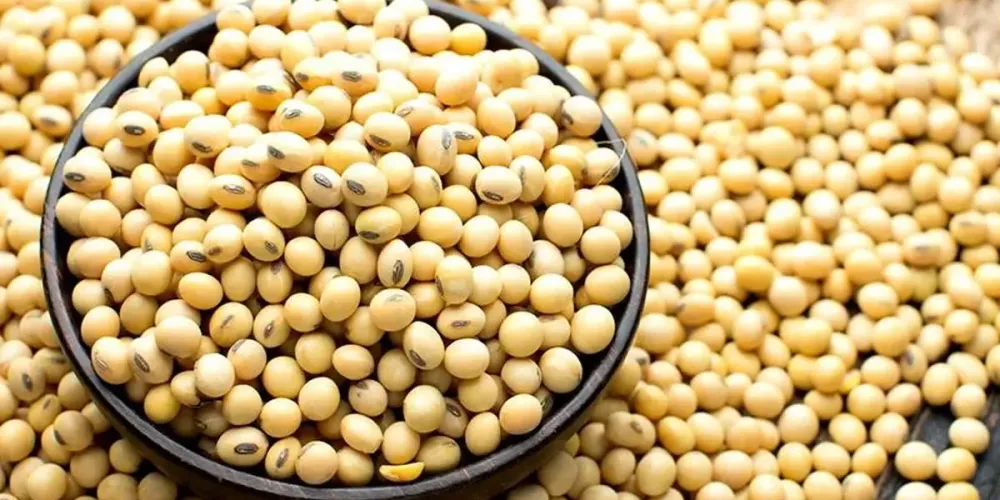
India’s soybean acreage could rise by up to 10% this season as four-year high prices and expectations of a weaker monsoon linked to El Niño encourage farmers to expand planting. Reuters, in a report carried by BusinessLine, said stronger soybean economics are prompting some growers to shift back from corn after moving away from the oilseed last year.
Soybean is India’s main summer-sown oilseed crop, so a larger harvest matters well beyond farmgate incomes. Higher production could help the world’s biggest edible-oil importer reduce purchases of palm oil, soyoil and sunflower oil from abroad. It could also ease domestic soybean and soybean meal prices, which is important for India’s poultry sector, the country’s largest consumer of soybean meal.
According to the report, soybean prices climbed to 7,587 rupees per 100 kilograms last month, the highest level in four years and well above the government support price of 5,328 rupees. Corn prices, by contrast, remain below the official floor price of 2,400 rupees. Manoj Agrawal, managing director of Maharashtra Oil Extractions, said farmers shifted from soybean to corn last year, but many are now expected to move back because soybean offers better returns.
Indian farmers planted soybean on about 12 million hectares in 2025, and industry officials expect the area to rise by as much as 10% this year. Summer crop planting usually begins in June with the arrival of the monsoon, but this year the rains are expected to be the weakest in 11 years because of the emergence of El Niño. That outlook is making less water-intensive crops more attractive in some production zones.
Farm-level decisions are already adjusting. Manoj Kale, a farmer in Solapur district of Maharashtra, said he normally grows sugarcane but plans to plant soybean this time because it needs much less water. Industry representatives say acreage is likely to increase, but final yields will still depend heavily on how the monsoon performs after planting.
D.N. Pathak, executive director of the Soybean Processors’ Association of India, said rainfall during the monsoon will be the key determinant of yields. At the same time, India’s soybean imports are expected to rise to a record 900,000 tonnes this year after weak output last season. The market hopes a larger domestic crop will at least partly reduce that import need. India currently buys palm oil mainly from Indonesia and Malaysia, while soyoil and sunflower oil come from Argentina, Brazil, Russia and Ukraine.
Not yet comments. Be the first!
Comments · 0