
Record autumn rain revives South Australian crops but leaves potato growers exposed
Record autumn rainfall has lifted pastures and improved crop prospects across South Australia, but excessive wet conditions are also delaying potato harvests and raising loss risks.
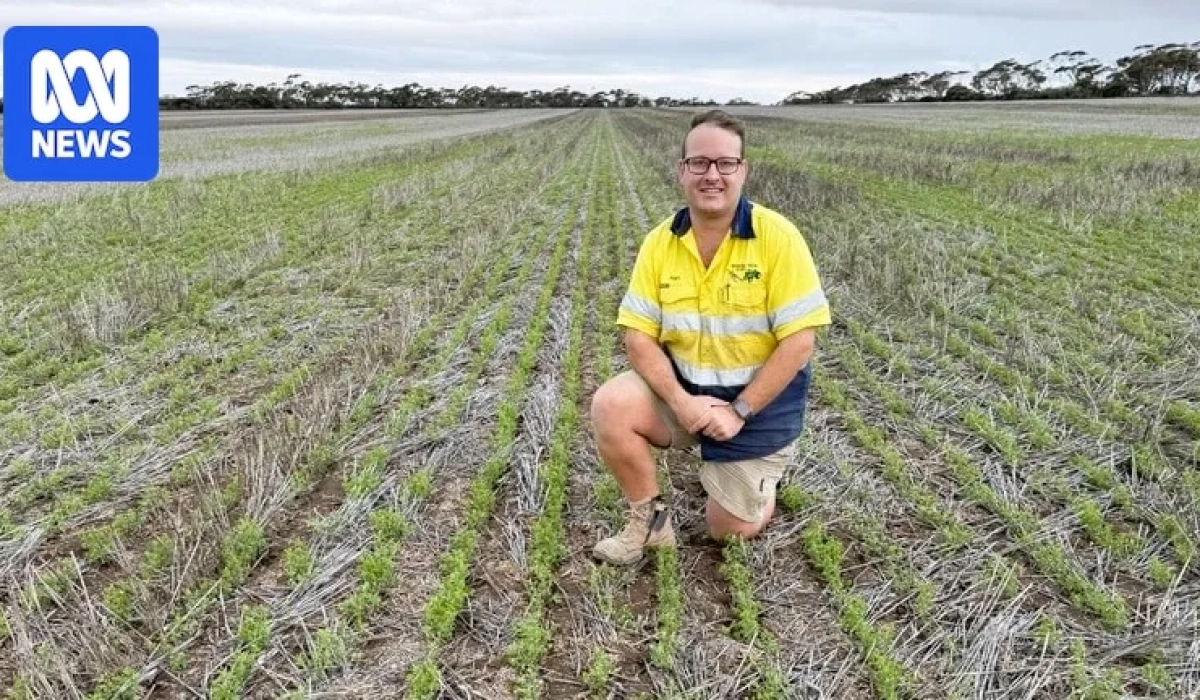
Parts of South Australia have moved from drought stress to unusually strong early-season conditions after record autumn rain. On Megan Lister’s farm east of Wudinna, country that had virtually no green growth a year ago is now carrying grass so thick that calves are hard to spot in it. ABC reported that the turnaround began with a 160mm downpour in February and continued through May, sharply improving pasture conditions and confidence on farms that had been under pressure.
Lister said she managed to carry her livestock through the drought without offloading stock, and this season she has planted about 809 hectares, mostly wheat and barley. With feed conditions restored, the rainfall is changing both grazing and cropping decisions. Her farm is presented in the report as a clear example of how quickly rainfall can alter farm planning once subsoil moisture and pasture cover return.
The improvement is not isolated. Sam Atkinson of Digital Agriculture Services said satellite analysis suggests almost 2 million hectares of crops are already in the ground across the state, with more expected as the season progresses. He described the current year as the best since at least 2020 and said some areas are running around 10 days ahead of where they were in the generally good 2022 and 2023 seasons. That gives grain and feed markets a stronger production signal than many growers had expected after recent dry years.
The Bureau of Meteorology said several rainfall records were broken in May. Renmark Airport recorded 124.8mm for the month, while autumn totals at Gluepot Reserve in the Mallee district reached 205.4mm. Farmer Matt Cadd, who grows wheat and lentils near Kadina, said rainfall on his property has already exceeded his total for all of 2024 and he needs only another 50mm to move further ahead. He also decided not to grow canola because of the crop’s heavier fertilizer requirement and current input costs.
Not all sectors are benefiting equally. In the South East, the same wet conditions have delayed potato harvesting and left hundreds of tonnes at risk of loss and rot. Terry Buckley of Buckley Innovative Farming said some of the crop cannot yet be accessed because machinery is bogging in the paddocks. On top of that, the Bureau is forecasting a warmer and drier than average winter for much of the state. The result is a season that has started with strong moisture and better crop establishment, but still carries significant weather risk for harvest timing, field operations and final output.