
New Digital Delivery Note Rules for Greek Agricultural Products: What Farmers Need to Know
The Independent Authority for Public Revenue (AADE) in Greece is advancing the digital transition of the agricultural sector "from farm to shelf." By issuing Circular E.2038/2026, signed by AADE Governor Giorgos Pitsilis, the tax authority aims to clarify the framework for digital delivery notes that farmers must maintain, differentiating rules based on the size of the producer and the type of transaction.
Under the new clarifications, farmers under the special VAT regime (representing small-scale producers with limited family-owned plots or small-scale crops like peaches) are exempt from issuing these digital delivery notes themselves. Instead, the burden falls on the recipient of the products—such as a cooperative, trader, or olive mill—who must issue a quantitative receipt note upon receiving the goods.
For professional farmers operating under the standard VAT regime, as well as individuals who perform farming activities alongside another profession, the system offers some flexibility. In certain cases, the digital delivery note can be issued by the buyer (trader, cooperative, or mill) using the "Reverse Movement" indication, provided that the buyer agrees to this arrangement. This is intended to simplify daily logistics, especially when transport is performed using the farmer's own vehicle.
The circular also addresses short-distance transportation. No digital delivery note is required when transporting agricultural products between a producer's own fields and their storage facilities, as long as the total distance does not exceed 10 kilometers. However, experts point out an unresolved issue regarding the lack of scales in fields; transporting products even a short distance (e.g., 500 meters) to a weighing point without a delivery note could technically lead to a fine of up to €5,000 under strict audits.
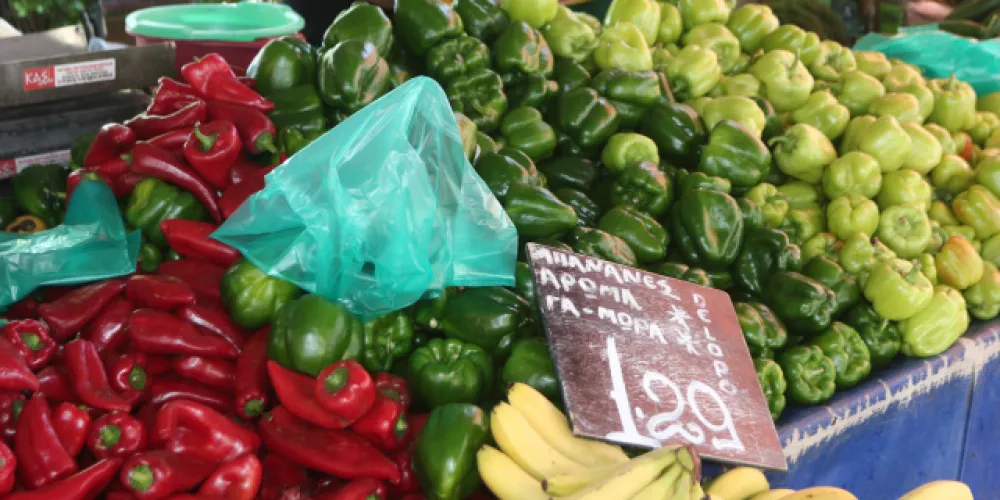
For open-air and farmers' markets, a transitional period is in place. Consolidated delivery notes may remain handwritten until October 11, 2026. However, starting October 12, 2026 (the launch of Phase Two), digital issuance becomes mandatory for all professional farmers. Any unsold products from these markets can be returned using the original delivery note, followed by the issuance of a quantitative receipt note once they arrive back at the producer's premises.
Not yet comments. Be the first!
Comments · 0