
Ranchers and Lawmakers Slam Trump’s Beef Tariff ‘Betrayal’
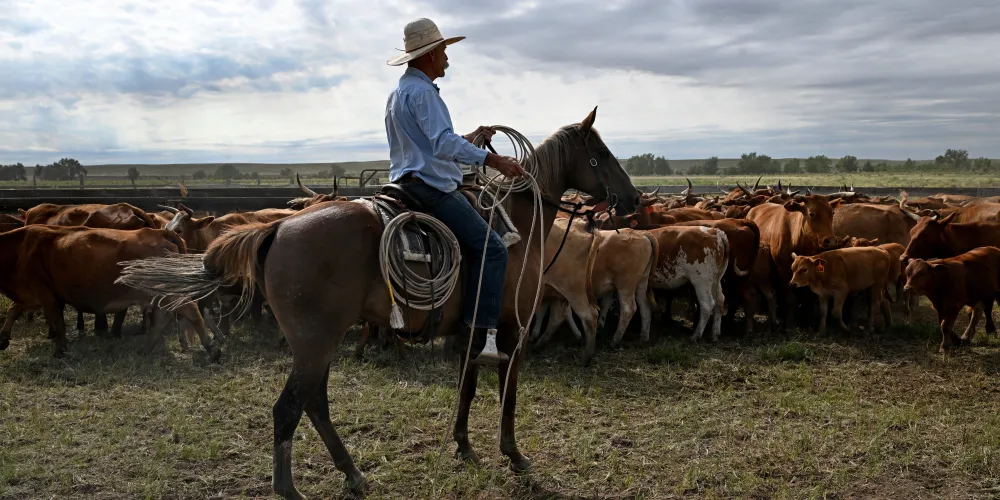
Republican lawmakers and leaders in the U.S. cattle industry have expressed sharp criticism regarding President Donald Trump’s recent decision to temporarily ease tariffs on beef imports. Announced this past Friday, the move is intended to address high food prices amidst a significant shortage in the national cattle herd. However, stakeholders within the industry view the policy shift as a direct blow to the livelihoods of American ranchers.
The National Cattlemen’s Beef Association has officially expressed its disappointment, warning that the policy change threatens to undercut the domestic beef industry. Meriwether Farms, a prominent American beef producer, summarized the industry's sentiment on X with a single, blunt word: “Betrayal.” This reaction highlights the intense friction between the White House and the agricultural sector regarding the handling of market competition.
President Trump announced the policy update on Truth Social, stating that for the next 90 days, the United States will permit the import of up to 300,000 metric tons of ground beef product without the standard out-of-quota tariff. Under normal circumstances, beef imports exceeding specific quota levels are subject to a 26.4 percent tariff. According to data from the Bureau of Labor Statistics, U.S. consumer beef prices have risen by approximately 25 percent since Trump returned to the White House.
The backlash was particularly fierce among the federal delegation from Nebraska, a state renowned as “the beef state” due to the sector's economic dominance. Senator Deb Fischer criticized the move on social media, stating that flooding the market with foreign beef undermines the long-term goal of rebuilding the domestic herd to meet demand. She argued that the administration’s strategy fails to address the root cause of supply shortages.
Industry analysts observe that the current shortage of livestock remains a primary structural challenge for the American agricultural complex. While the administration seeks to curb inflationary pressures through trade policy, the move has ignited significant pushback from the farming lobby, which fears that these temporary measures could set a precedent that threatens their competitive edge in the domestic market in the long run.
Not yet comments. Be the first!
Comments · 0