
EU Parliament backs bigger long-term budget and new taxes
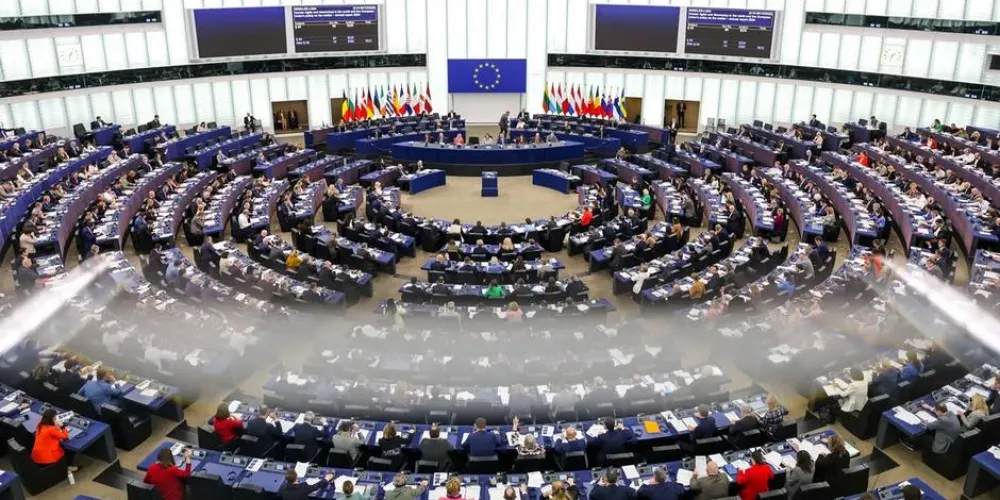
The European Parliament has backed a larger long-term European Union budget for 2028–2034 and endorsed the idea of new EU-level revenue streams. The vote took place in Strasbourg on April 29. According to Deutsche Welle and Reuters, 370 lawmakers voted in favor, 201 voted against and 84 abstained. For agriculture, the significance is clear: Parliament is explicitly trying to protect and strengthen support for farming and poorer regions while the bloc takes on new spending priorities.
The dispute centers on the size of the next multiannual financial framework. The European Commission had proposed a budget equal to 1.26% of EU gross national income, which in real terms amounts to about 1.76 trillion euros over seven years, including 149 billion euros for repayments linked to the pandemic recovery fund. Parliament wants that benchmark raised to 1.38% of GNI, or roughly 1.94 trillion euros, and it also wants recovery-fund repayments treated outside that ceiling. That approach would add nearly 100 billion euros above the Commission’s proposed level, including more money for agriculture and cohesion.
Supporters of the larger budget argue that new priorities should not come at the expense of traditional ones. Budget rapporteur Siegfried Muresan said the EU cannot “do more with less.” Parliament’s position is that defense, competitiveness, digitalization, climate programs and external action must all be financed without cutting support for agriculture, fisheries and regional development. For farmers, that matters because the debate is not only about headline numbers but also about whether the Common Agricultural Policy and rural investment can keep their weight in a much more crowded budget.
To pay for a bigger framework, lawmakers also backed new sources of EU revenue. Beyond income already discussed from carbon-related tools, tobacco, non-recycled e-waste and large companies, Parliament wants a digital levy, a tax on crypto-asset transactions and revenue from online gaming and gambling. These ideas are politically contentious because major net contributor states do not want a sharp rise in national payments, while some partners outside the EU, especially the United States, would strongly oppose an EU-wide digital tax.
Germany and the Netherlands have already pushed back. Chancellor Friedrich Merz rejected new debt and argued that the EU must set priorities even if that means cuts elsewhere. Dutch Prime Minister Rob Jetten said the proposed framework should be reduced significantly. That sets up a difficult negotiation between Parliament, the Commission and member states, but one point is already clear: farm spending will be one of the main battlegrounds in the fight over the EU budget after 2027.
Not yet comments. Be the first!
Comments · 0