
Trees and Shrubs Can Protect Crops from Drought: Solutions for Farmers
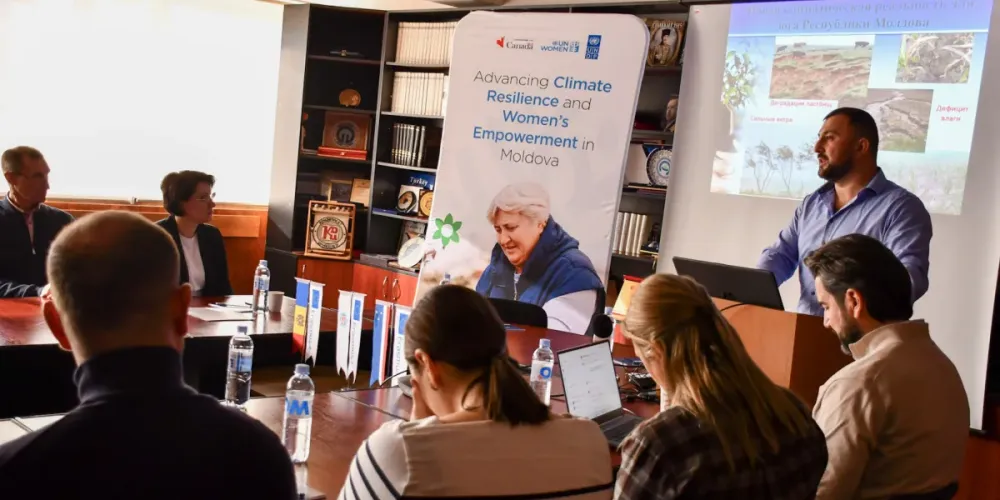
The integration of trees and shrubs on agricultural land, crop diversification, and soil fertility enhancement are among the primary solutions capable of reducing agricultural vulnerability to drought. These methods are of particular importance for the southern part of the Republic of Moldova, where high temperatures, precipitation deficits, and soil degradation severely impact crop yields.
Agroforestry systems involve combining agricultural crops with trees and woody shrubs, allowing for a more efficient use of land resources and mitigating the impacts of adverse climatic conditions. Depending on the specific location and chosen plant species, woody vegetation can protect the soil, reduce wind velocity over crops, and preserve essential moisture.
Another crucial measure is the selection of crop varieties specifically adapted to arid conditions. Combined with proper crop diversification and appropriate tillage practices, this approach helps reduce production losses and increases the resilience of agricultural enterprises against climate shocks.
Soil fertility remains the ultimate foundation for crop resilience under stress. Specialists also highlight the importance of regular soil condition assessments through agrochemical testing and physical property analysis to identify limiting factors such as nutrient deficiencies and soil compaction.
Based on these diagnostic results, agricultural producers can implement targeted measures to improve soil fertility and ensure sustainable land management practices that withstand prolonged dry spells and environmental changes.
Not yet comments. Be the first!
Comments