
China Expands Australian Canola Trade to Include Private Crushers
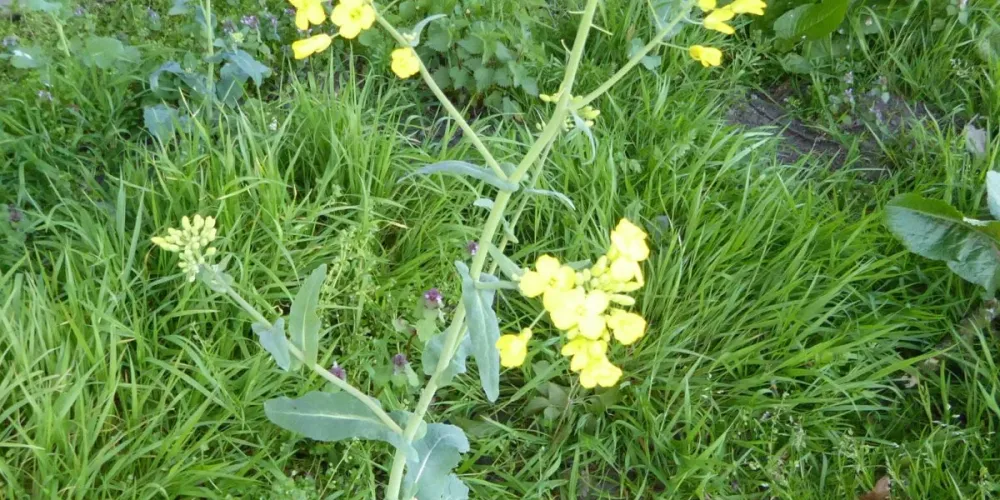
China has taken a major step toward restoring full agricultural trade with Australia by allowing private oilseed crushers to import Australian canola. According to sources familiar with the matter, some private companies were informed this week that they could apply for permits to import the crop, signaling a strategic shift in trade policy between the two nations.
This move is part of a trial program that is expected to pave the way for an official government-to-government agreement to fully reopen the trade corridor. Shipments were largely halted at the beginning of the decade, severely restricting the flow of goods. As of now, the Chinese customs office has not yet provided an official comment regarding these reports.
Beijing originally banned imports of Australian canola in 2020, citing plant health and safety concerns. The situation began to thaw last year when the state-run trading firm Cofco International Ltd. resumed booking canola cargoes on a trial basis, which sparked hopes for a broader revival of the trade relationship. This incremental reopening has now reached a new phase with the inclusion of private players.
This development occurs against the backdrop of shifting geopolitical tensions. The reopening coincides with trade friction between China and Canada, which is China's primary canola supplier. Relations between Beijing and Ottawa soured after Canada imposed levies on Chinese electric vehicles, steel, and aluminum. Market observers suggest that diversifying supply sources away from Canada is a strategic priority for Beijing.
Expanding access to include private crushers is widely viewed as a signal that both countries are committed to mending their bilateral economic ties. By diversifying the import base for canola, China aims to secure more stable supply chains for its domestic processing industry. While the relations have already significantly improved since the 2020 restrictions, this formal inclusion of the private sector marks a milestone in the ongoing normalization process.
Not yet comments. Be the first!
Comments · 0