
Indonesia tops Southeast Asia in rice output and rises to fourth globally
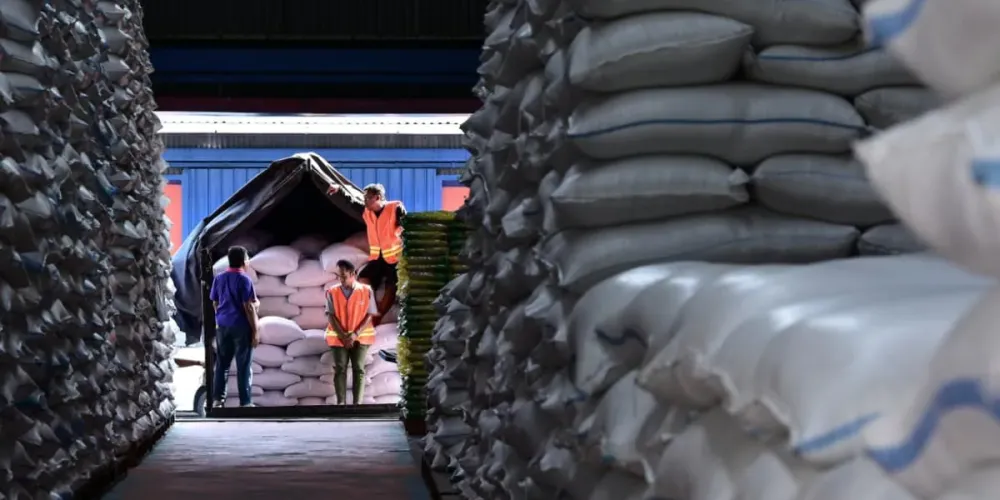
Indonesia has strengthened its standing in the rice market after the Food and Agriculture Organization, as cited by the National Food Agency Bapanas, ranked the country as Southeast Asia’s largest rice producer and the world’s fourth largest in 2025. Only India, China and Bangladesh remain ahead of Indonesia in the global ranking.
Bapanas head Andi Amran Sulaiman said Indonesia and China are the only two countries among the world’s top four rice producers that are projected to post positive production growth. He added that, when comparing the 2025/2026 period with 2024/2025, Indonesia recorded the biggest increase in output among the major producing countries.
The estimate referenced by ANTARA points to an increase of more than 4 million tonnes in Indonesian rice production. That compares with projected increases of 1.7 million tonnes in India, 1.5 million tonnes in Brazil and 1.1 million tonnes in Bangladesh. FAO also highlighted not just higher output, but stronger stock levels and stable producer prices.
In its June 2026 Food Outlook, FAO said higher rice stocks in Indonesia are one factor helping maintain global reserves. The agency projects world rice stocks at the end of 2026/2027 could reach 213.8 million tonnes, which would be the second-highest level recorded in the last decade. Indonesia’s government rice reserve stock managed by Bulog is already above 5 million tonnes.
FAO expects Indonesia’s closing stocks to reach 7.5 million tonnes in 2025/2026 and then rise to 7.8 million tonnes in 2026/2027. Officials say that strengthens the country’s prospects of moving from an importer toward a rice-exporting nation. They also point to slower rice inflation, which eased from 1.35 per cent in July 2025 to 0.38 per cent in May 2026, while stable producer prices have continued to encourage farmers to plant rice over competing crops.
Not yet comments. Be the first!
Comments · 0