
Australian farmers warn diesel shock will hit supermarket food prices within weeks
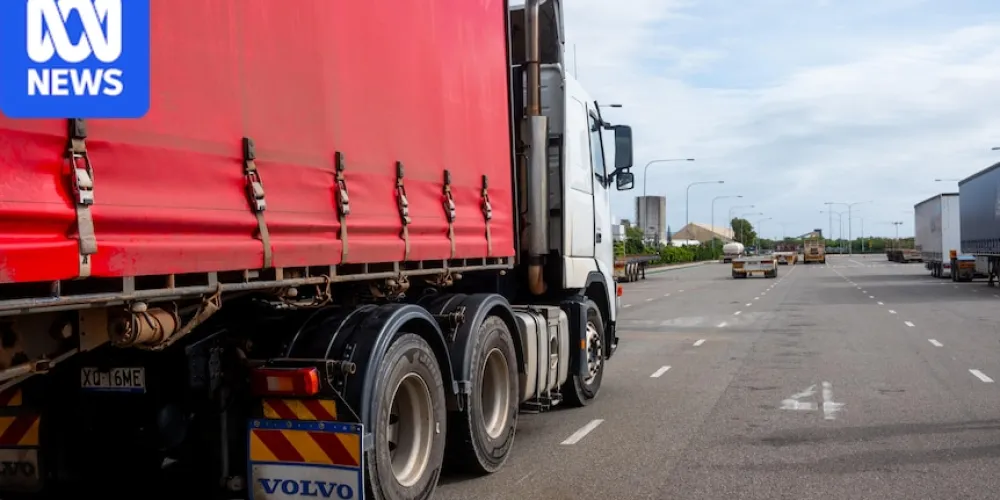
Australian farm and freight groups are warning that fuel stress is about to move directly into grocery pricing. ABC reports the National Farmers Federation expects supermarket food prices to rise within weeks as producers and trucking operators absorb higher diesel bills and supply disruptions.
Since the U.S.-Israel war with Iran began last month, diesel prices in Australia have surged, and demand in some regional and rural areas has doubled, according to the report. For agriculture, diesel is not a marginal input: it powers field operations, transport, and key links between farms, processors, ports, and retailers.
NFF president Hamish McIntyre said the first visible consumer pressure is likely to appear in dairy, then fruit and vegetables, and intensive animal industries. His point is that even when product volumes remain available, rising movement and handling costs can rapidly lift shelf prices.
The National Road Transport Association echoed the warning and described a trajectory toward a broken freight chain. Chief executive Warren Clark said April 21 is a critical date because many fuel invoices will then reflect sustained price increases, putting smaller operators under severe cash-flow strain.
Transport unions, trucking employers, and industry bodies have called for urgent government action, including emergency mechanisms linked to labor regulation and relief on cost settings to keep freight moving. The core message from the sector is that delayed intervention increases the risk of supply interruptions and abrupt retail price jumps.
Agriculture Minister Julie Collins announced a national food supply chain assessment, with diesel supply as the first priority. The work will be led by Andrew Henderson of AgriFutures, with an interim report due within a month and a final report by year-end. That timeline confirms fuel resilience is now central to Australia’s food-system risk management.
Not yet comments. Be the first!
Comments · 0