
Australian beef faces 55% China tariff after import quota is exhausted early
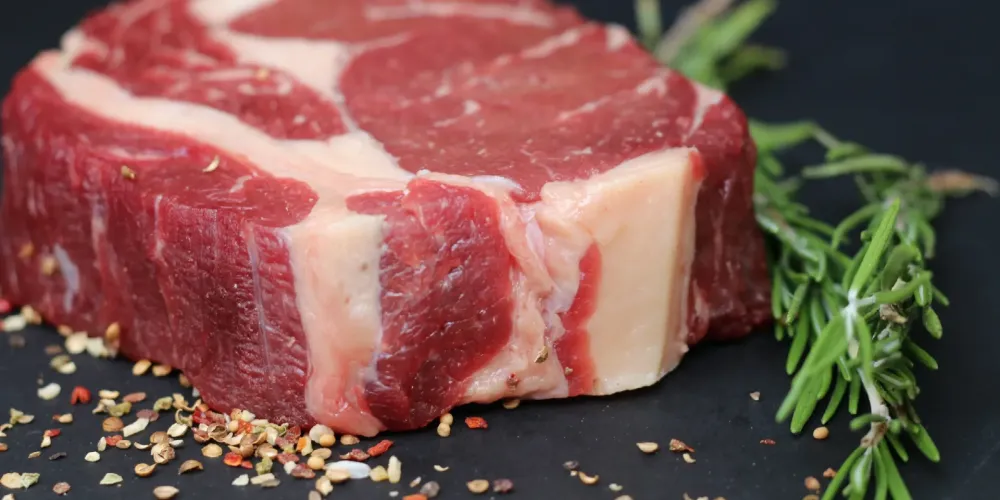
Australian beef exports to China will face an additional 55% tariff from June 20 after the country exhausted Beijing’s annual safeguard quota well ahead of schedule. IBTimes Australia reported that China’s Ministry of Commerce said the 205,000-tonne quota had been hit as of June 18, while Australian shipments crossed the threshold on June 16. For exporters, that means a sudden jump in trade costs just as one of their major Asian markets becomes far harder to serve.
The speed of quota exhaustion surprised parts of the industry. China had said on June 1 that Australian shipments were already at 90% of the annual ceiling, and the remaining 10% disappeared within about two weeks. The measure is part of a three-year beef safeguard regime introduced by China in January 2026 after a December 2025 decision to curb imports from major suppliers including Australia, Brazil, Argentina, New Zealand, Uruguay and the United States in order to shield domestic cattle producers from import pressure.
For Australia, the new ceiling is especially restrictive when compared with recent trade volumes. The country exported more than 295,000 tonnes of beef to China in the first 11 months of 2025 alone, whereas the 2026 quota for the full year is 205,000 tonnes. Once the quota is exceeded, an extra 55% duty applies automatically. The safeguard does not cover beef offal, however, and some premium products such as Wagyu and a narrow range of specific cuts may still move in limited volumes if buyers can absorb the higher landed cost.
Analysts do not expect a deep domestic cattle-price collapse in Australia because global meat supplies remain tight and demand from other destinations is still firm. Industry analyst Matt Dalgleish said flows to China would probably dip until mid-November but should have only a modest and short-lived impact on local cattle prices. In the meantime, exporters from countries whose own quotas remain open may gain a temporary pricing advantage in the Chinese market.
Australian producers are already adjusting by accelerating shipments, looking for alternative demand in Asia and the Middle East and focusing more closely on value-added categories. Industry estimates cited in the report suggest losses could exceed A$1 billion a year if exports to China fall by roughly one-third. That makes the quota issue important not only for meat traders, but for the wider economics and resilience of Australia’s livestock export model.
Not yet comments. Be the first!
Comments · 0