
Australia warns of hive shortfall as varroa spreads and pollination risks rise
Australia is heading into the August pollination peak with an expected shortfall of nearly 300,000 commercial hives. Varroa losses, higher treatment costs and insecticide resistance are pushing beekeepers out and raising risks for fruit, nut and horticultural crops.
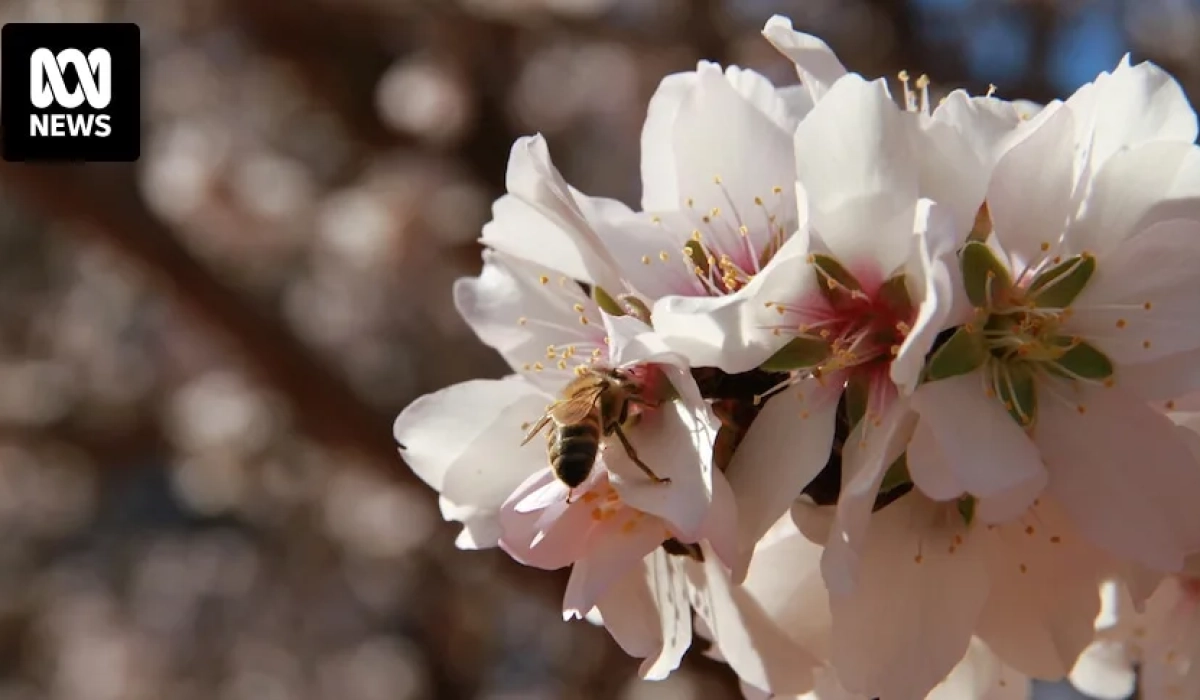
Australia's bee industry is warning of major pollination disruption as varroa mite continues to spread through key producing regions. ABC Rural reported that the Pollination Security Status Report 2026 forecasts a shortfall of close to 300,000 commercial hives for the peak pollination season in August. The expected gap affects New South Wales, Victoria, Queensland and South Australia.
According to the report, varroa has spread through eastern states and South Australia since 2022 and has already wiped out at least 60 percent of hives. The Wheen Bee Foundation chief executive Fiona Chambers said the impact would be massive because honey bees are essential to Australian agriculture. Crops singled out in the report include almonds, cherries, stone fruit, avocados and apples.
Honey bees are estimated to contribute A$14.2 billion to Australian agriculture, and around two thirds of production benefits from pollination. Industry participants fear the scale of the shortage could catch growers by surprise just as demand for pollination services peaks. The article also underlines the role of wild and feral bees, which currently provide a large share of pollination work outside managed hives.
Pollination provider James Brownlie said the forecast matches what he is seeing on the ground, with many beekeepers leaving the sector and too few hives likely to be available for growers. He described the situation as a slow moving food crisis that is not yet widely understood. Central Victorian beekeeper Peter McDonald said between one third and one half of bee businesses could fold under current pressure.
That pressure is coming from the cost and labour needed to manage varroa as well as the recent detection of insecticide resistance. Smaller commercial operators appear especially exposed. David Severino of Phillip Island Honey said he had decided to leave beekeeping because the treatment burden and the time required to keep checking for varroa were beyond what he could sustain on his own.
The industry response is now shifting toward a longer term national plan. The report was developed under a A$2.64 million project led by The Wheen Bee Foundation with support from industry, researchers, environmental groups and governments. The resulting Australian Pollination Strategy is expected in November 2027 and is intended to guide protection of pollination services, food security and ecosystem resilience.