
China grants new beef export licences to eight Australian facilities
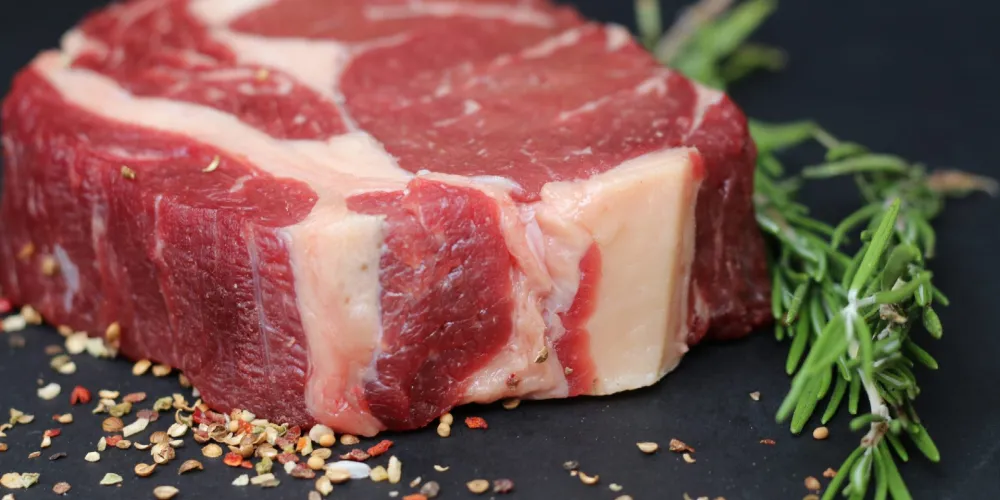
China has widened market access for Australian beef exporters by granting new export licences to eight facilities. International Business Times Australia reported that China’s customs authority updated the approved list late on Friday, April 17, 2026, and Australia’s federal agriculture department confirmed the move on April 21. The decision surprised much of the sector because it came only months after Beijing imposed safeguard measures aimed at protecting its domestic cattle industry.
The newly approved sites include two meatworks and six cold-storage distribution centres. The article identifies Thomas Foods International’s meatworks near Murray Bridge in South Australia and Nolan Meats in Queensland among the additions. China also approved 13 already listed Australian abattoirs to export additional product volumes. For exporters, the immediate value is operational rather than structural: more approved facilities mean more flexibility in handling, processing, and shipping product while the lower-tariff window remains open.
The central commercial constraint, however, remains in place. From January 1, 2026, China limited tariff-free imports of Australian beef to 205,000 tonnes under a safeguard quota. Shipments above that threshold face an additional 55 percent tariff. That is a sharp cap compared with roughly 294,000 tonnes shipped in the first 11 months of 2025 alone. The report said Australian exports had already used about half of the 2026 quota by late March, and analysts were projecting that the ceiling could be reached by mid-May or early June.
Industry reaction was cautiously positive. The new licences do not change the quota, but they do expand handling capacity and improve options for chilled beef, a segment that generally earns higher returns than frozen product. That matters because Australian exporters see premium supermarket and restaurant channels in China as an area where quality, traceability, and logistics can still deliver value even under tighter volume controls.
The move also fits into the broader normalization of Australia-China agricultural trade after earlier informal barriers were eased. Even so, the structural risk for the Australian beef chain remains high. Once the quota is filled, processors may need to redirect volumes to the United States, Japan, South Korea, or the Middle East, or accept lower margins. For cattle producers in export-oriented regions, the new licences are therefore a useful boost, but not a full answer to the quota pressure now shaping trade flows and price expectations.
Not yet comments. Be the first!
Comments · 0