
7 Ways to Use Aluminium Foil to Protect Indoor Plants from Pests
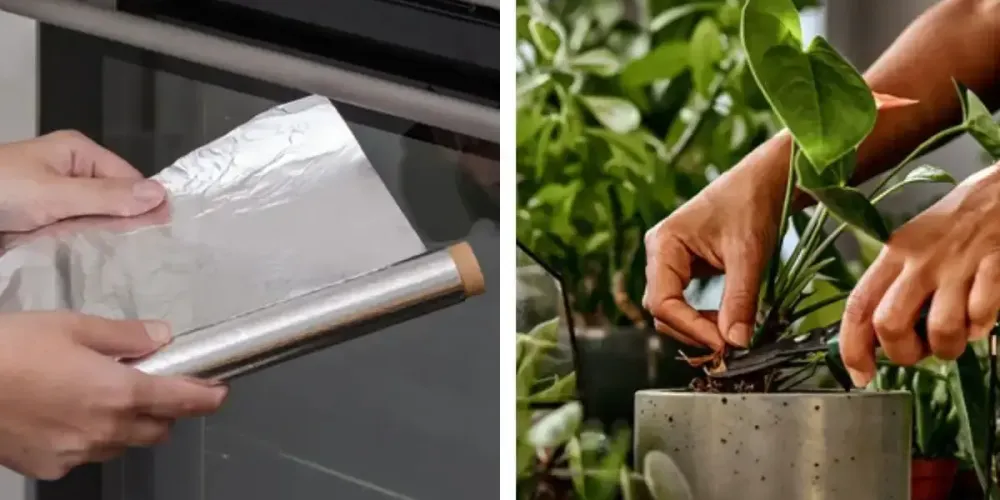
Using aluminium foil to protect indoor plants is a simple and scientifically grounded method to minimize pest presence. Research indicates that aluminium-based surfaces effectively repel insects, particularly aphids and thrips, by reflecting light that disorients flying pests. Placing foil shiny-side up around the base of the pot creates a barrier that discourages insects from landing on the plant.
One proven technique involves creating a reflective mulch layer. By cutting foil to fit the pot surface and gently pressing it around the stem, plant owners can mimic agricultural reflective mulch techniques. Studies published in the journal 'ScienceDirect' confirm that reflecting short-wave light significantly reduces the number of pests landing on plants. This method is particularly effective against aphids, which are sensitive to light interference.
An additional protective measure is to use hanging strips of foil. Cutting the foil into thin strips and suspending them near the plant creates a moving reflector. The motion of the foil in air currents produces unpredictable flashes of light, disrupting the visual cues used by whiteflies and certain beetles. This deterrent effect complements static barriers, making the area less attractive to insects.
Wrapping the exterior of the pot with foil, shiny-side out, creates a reflective barrier at ground level. It is important to keep the wrap loose to ensure air circulation and prevent moisture trapping against the pot. Furthermore, foil can be placed under grow lights, as noted in the 'Journal of Economic Entomology,' which not only repels pests but also reflects usable light back onto the plant foliage.
Finally, foil helps combat soil-dwelling pests like fungus gnats when placed in the drainage tray. Replacing this liner every fortnight keeps it clean and effective. Additionally, a foil collar can be placed around the stem to act as a physical barrier against crawling insects, a concept supported by 'International Journal of Vegetable Science' research on the efficacy of UV-reflective surfaces. Always ensure these collars are loose to prevent stem damage.
Not yet comments. Be the first!
Comments · 0