
Is it possible to live in an SNT all year round and register your residency?
A few years ago, garden plots were perceived exclusively as a place for summer vacations and growing vegetables.
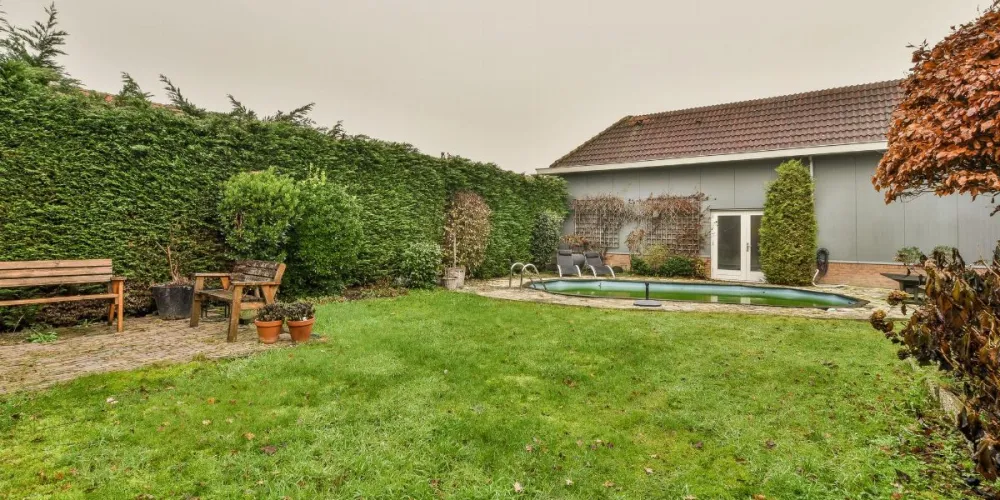
A few years ago, garden plots were perceived exclusively as a place for summer vacations and growing vegetables. However, today more and more people are considering living in an SNT (Garden Non-profit Partnership) as a full-fledged alternative to a city apartment. The reasons vary: more affordable housing costs, the desire to live closer to nature, and the opportunity to build your own house. But is it possible to officially reside in a garden partnership all year round and obtain permanent registration and pay for your dacha online?
What is an SNT
An SNT is a garden non-profit partnership that unites owners of land plots. Initially, such territories were intended mainly for gardening and seasonal stays, but legislation has gradually changed.
Today, within the territory of an SNT, you can:
build residential houses;
connect utilities;
register real estate as property;
reside permanently;
obtain registration at your place of residence.
However, to do this, the plot and the house must meet certain requirements.
Is it possible to officially live in an SNT
From the point of view of the law, living in a garden house is not prohibited. However, it is important to understand the difference between a seasonal structure and a full-fledged residential house.
To live in an SNT all year round, a house must usually:
be registered as residential;
have a permanent foundation;
meet sanitary standards;
be suitable for living in winter;
have access to electricity and heating.
If the structure is officially considered non-residential or a summer cottage, difficulties with registration may arise.
How to obtain registration in an SNT
Today, registration in an SNT is possible, but only if a number of conditions are met. The main requirement is that the house must have the status of a residential premise.
For registration, it is usually necessary to:
formalize the right of ownership;
place the house on the cadastral register;
confirm its suitability for living;
obtain an address for the property;
contact the Ministry of Internal Affairs (MVD) or a Multifunctional Center (MFC).
After this, the owner can obtain permanent registration on general grounds.
Why registration is sometimes refused
Despite changes in legislation, problems with registration in an SNT are still encountered. Most often, the refusal is related not to the partnership itself, but to the characteristics of the house.
Reasons for refusal can include:
lack of status as a residential house;
violations during construction;
problems with documents;
lack of an official address;
non-compliance with sanitary requirements.
Sometimes owners have to additionally apply to the court to recognize the house as suitable for permanent residence.
What are the difficulties of living in an SNT
Although many choose a house in an SNT for permanent residence, this option has not only advantages but also certain disadvantages.
Among the main problems are:
poor roads in winter;
power outages;
lack of central gas supply;
weak infrastructure;
difficulties with public transport.
Furthermore, not all SNTs are designed for year-round operation, especially older partnerships.
Why people are moving to SNTs more and more often
Despite the difficulties, the demand for suburban housing continues to grow. For many families, living outside the city is becoming more comfortable and accessible than buying an apartment.
The main advantages are:
larger living area;
your own plot of land;
lower real estate costs;
quietness and nature;
the opportunity for self-construction.
Modern SNTs near large cities, where infrastructure is gradually developing, are especially popular.
Today, permanent residence in an SNT in Moscow and obtaining registration are quite possible if the house meets legal requirements. However, before moving, it is important to check the status of the plot, real estate documents, and winter living conditions in advance. With proper documentation, a garden house can become a full-fledged alternative to a city apartment.
Editorial team agronom.info
Materials are prepared by the portal's agronomists and editors. We use only trusted sources: Ukrainian agricultural universities, variety registries, open scientific publications.
Related articles

Not yet comments. Be the first!
Comments