
Technological aspects of organizing a local food supply system in an urban environment
We examine the impact of modern logistics solutions and food technologies on the quality of finished products in the catering sector. We analyze standards for the integration of production and delivery in large cities.
Technological chains in modern food production
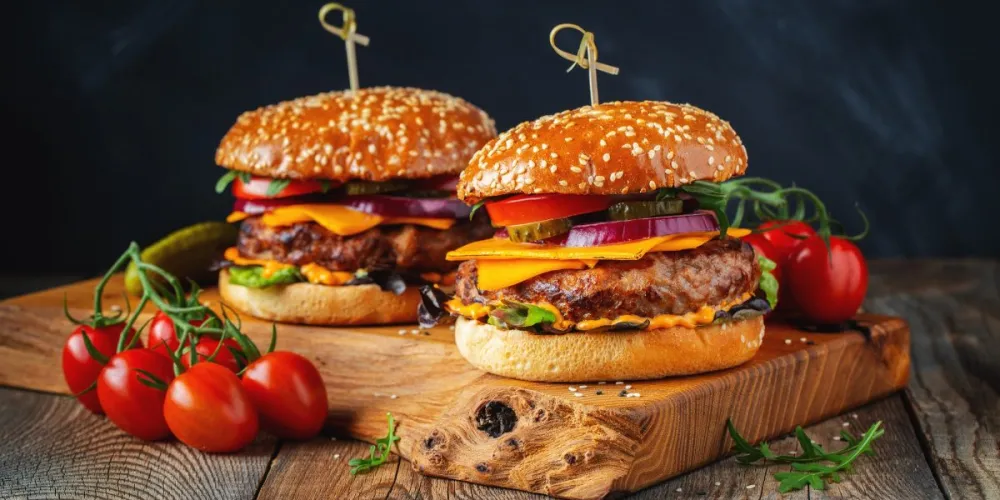
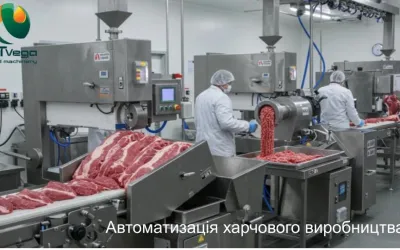
The development of the modern agro-industrial complex is inextricably linked to the efficiency of processing primary raw materials. In an environment where food quality requirements are increasing, manufacturers are forced to implement advanced food technologies that allow for the preservation of microbiological safety and organoleptic properties of products at all stages of the cycle. An important aspect is not only production itself but also the subsequent integration of finished products into urban distribution networks. For example, timely burger delivery in Krasnoyarsk demonstrates how high-tech packaging and optimized routes allow for the delivery of complex, multi-component items directly to the end consumer while maintaining their temperature and freshness, which is critical for maintaining a manufacturer's reputation in the catering segment. Modern food industry is evolving towards full automation, where every link — from the farm to the restaurant kitchen — becomes part of a single digital organism that eliminates the human factor at critical quality control points. Engineering thought today is aimed at creating closed-loop cycles where every production process is subject to strict validation, which radically reduces the scrap rate and increases the shelf life of goods without the use of harmful preservatives.
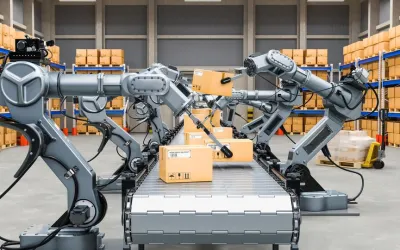
The industrialization of culinary processes is moving to a qualitatively new level, where standardization becomes the main tool for competition. The implementation of automated lines allows not only for scaling production but also for ensuring absolute stability of taste characteristics, regardless of which branch of the enterprise the dish was prepared in. This is especially important for brands operating under a franchise model, where adherence to technological recipes is a guarantee of customer trust. Technological sovereignty in the food industry also involves the development of proprietary water filtration and preparation systems, quality control of incoming raw materials using spectral analysis, and the implementation of lean manufacturing protocols that minimize losses during the primary processing of ingredients.
Process optimization and logistics solutions
Effective logistics in modern food production is based on strict adherence to product movement schedules. This applies both to the transportation of raw materials from farms to production sites and to the distribution of finished products. The implementation of automated tracking systems allows for the control of every stage, minimizing raw material losses and ensuring uninterrupted operation of enterprises. Quality standards in the food industry require not only careful selection of ingredients, such as high-quality beef or fresh vegetables, but also strict control of storage conditions for semi-finished products. In metropolises like Krasnoyarsk, population density dictates its own rules, where the speed of goods movement becomes the key to market competitiveness. Logistics hubs located near areas of high consumer concentration allow for shortened delivery distances, which is critical for maintaining product structure. Using demand forecasting algorithms allows for planning production volumes in advance, avoiding warehouse overcrowding or, conversely, product shortages during peak customer activity hours.
Scaling logistics capabilities requires the use of intelligent Warehouse Management Systems (WMS). These systems are integrated with ERP platforms, which allows for automatically generating replenishment orders based on the actual consumption of ingredients. In conditions of fierce market competition, the speed of reaction to changing demand becomes a key advantage. The use of RFID tags allows for tracking each batch of goods in real-time, ensuring adherence to the FIFO (First-In-First-Out) principle, which is critical for products with limited shelf life. Optimization of transport flows also includes selecting optimal routes that avoid traffic jams and delays, which reduces fuel consumption and lowers the environmental impact on the urban environment.
Implementing innovations in the gastronomic sector
Modern gastronomy requires a deep understanding of the processes that occur during the thermal processing of raw materials. The use of specialized equipment allows for standardizing product output, be it complex burgers with unique characteristics or other types of finished products. An important component of success is constant training of staff in working with innovative equipment. Food technologies have taken a big step forward today: the use of vacuum packaging and temperature control systems allows for the delivery of food in perfect condition. When we view food delivery as part of a broad economic ecosystem, it becomes clear that every component of the system, from the quality of the grain to the final assembly of the product, requires extraordinary attention to detail and technological discipline. A scientific approach to cooking involves the use of molecular gastronomy methods, low-temperature cooking (sous-vide), and gentle blast freezing, which radically change the perception of shelf life and the quality of finished dishes delivered to homes or offices.
Technological solutions in packaging play just as important a role as the chef's skill. Modern materials with selective permeability allow the product to "breathe" without allowing the growth of pathogenic microorganisms. The use of thermal containers with active thermal control systems guarantees that hot food stays hot and cold food stays cold, even during long transportation. These innovations change the paradigm of business-to-client interaction: restaurant quality is now available not just in the establishment but at home, which stimulates the growth of the online ordering market and forces manufacturers to constantly improve recipes and delivery processes.
Economic feasibility and supply chain management
The economics of production processes in agriculture and the food industry are based on the reduction of operating costs. Route optimization and the use of intelligent fleet management systems allow for a significant reduction in delivery costs. In the context of forming urban demand, the catering sector acts as one of the primary consumers of agricultural products. Maintaining quality standards at every stage of value creation — from primary meat processing to the preparation of ready-made dishes — creates a sustainable business model capable of adapting to changing market conditions. Effective management requires the implementation of KPIs at all levels: from preparation time to the capacity utilization coefficient of transport. Investments in modern ERP systems allow managers to see the full picture of the business in real-time, which is the foundation for making strategic decisions regarding network scaling and optimizing marketing and logistics expenses.
The financial stability of an enterprise also depends on the ability to forecast market fluctuations. Analyzing data on raw material prices, seasonal demand, and competitor actions allows for the development of flexible pricing strategies. Using predictive analytics tools helps avoid critical situations, such as a sharp deficit of key ingredients, by diversifying the supplier base. The economies of scale achieved through automation allow for keeping prices at an affordable level, which is critical in conditions of high competition. Investing in personnel — training employees to work with analytical data — becomes an additional success factor, turning ordinary staff into effective operators of high-tech production systems.
Application of automation systems for monitoring stock balances in warehouses.
Use of thermal insulation materials to preserve product presentation during transport.
Regular auditing of raw material suppliers to ensure compliance with industry standards.
Integration of predictive analytics to optimize production volumes depending on the day of the week.
Development of flexible delivery schedules that minimize time spent on the road.
Modernization of equipment to ensure the stability of the technological cycle.
The role of digitalization in the transformation of food production
Digital transformation today covers not only office processes but also the processing plants themselves. The use of IoT (Internet of Things) sensors allows for tracking temperature, humidity, and other critical parameters in real-time. If indicators deviate from the norm, the system automatically notifies the operator, preventing the spoilage of an entire batch of goods. This is especially relevant for perishable products, where even a ten-minute overheat can lead to the loss of significant financial resources. Integration with consumer food ordering apps creates a seamless experience for the consumer, allowing them to see the preparation status and movement of the order on a map. Big data technologies help analyze the preferences of local consumers in specific districts, which allows for adjusting the menu to regional tastes, thereby increasing audience loyalty and order frequency.
Implementing artificial intelligence in production process management allows for optimizing the use of kitchen equipment. Machine learning algorithms analyze historical order data and predict peak loads, allowing for planning shifts and ingredient preparation in advance. Such foresight eliminates situations where a customer is forced to wait a long time for an order and reduces the risk of critical kitchen errors under the pressure of large request volumes. A digital twin of production, created based on data from IoT sensors, allows for simulating various scenarios and testing new production lines without stopping current processes, which significantly speeds up the market launch of new types of products.
Environmental aspects and sustainable development
In the context of global responsibility, manufacturers are paying more attention to eco-friendly packaging and the minimization of food waste. The transition to biodegradable materials and the optimization of portion sizes allow for a significant reduction in the burden on the environment. Sustainable business development in the food sector also involves cooperation with local farmers, which reduces the carbon footprint from transporting raw materials. Using waste recycling, such as converting organic residues into compost or biogas, is becoming a trend that favorably distinguishes socially responsible companies among competitors. 21st-century consumers are increasingly choosing brands that share their values, so the transparency of production processes is becoming not just a marketing ploy, but a necessity. The development of infrastructure in the regions creates prerequisites for more active interaction between raw material producers and enterprises engaged in processing and selling finished products. In the future, this will lead to an even greater integration of digital technologies into food supply chain management, which will ensure stable market growth and satisfy the needs of even the most demanding customers.
The environmental agenda also includes the fight against excessive plastic use in the food industry. The transition to eco-safe alternatives requires significant capital investment; however, in the long term, this forms a loyal community of consumers. Companies that invest in reducing their own carbon footprint gain access to "green" loans and government grants. Thus, ecology is becoming not only an ethical choice but also a profitable tool for financial planning. Sustainable development is a complex process that includes caring for employees, using renewable energy sources in production, and constantly monitoring the enterprise's impact on the regional ecosystem.
Prospects for the development of the catering industry
The future of the restaurant business and the production of ready-made food products is inextricably linked to robotics and automated kitchens. Robotic burger assembly systems and automatic beverage dispensing lines are already demonstrating high efficiency today, eliminating errors associated with staff fatigue. However, human control remains indispensable in aspects of a creative approach to recipe creation and the evaluation of the final taste profile of dishes. Combining high technology and traditional culinary mastery is a recipe for success that will allow brands to survive in conditions of high competition. We are observing a transition to the "dark kitchen" model, where the focus shifts exclusively to delivery, allowing for savings on the rent of premium real estate and redirecting resources to ingredient quality and high-tech equipment. Ultimately, the winner will be the one who can ensure the perfect balance of speed, price, and impeccable product quality, delivered right to the customer's door in any weather and at any time of day.
The industry stands on the verge of a new revolution, where personalized nutrition will become the standard. Thanks to the development of genetic testing and portable devices that collect data on user health, manufacturers will be able to offer individually tailored diets with a precise balance of nutrients. Automation allows for the realization of this concept on an industrial scale. In the future, we will see the emergence of kitchens capable of assembling each dish according to a personal recipe while maintaining all quality parameters. Such a level of service will be a logical continuation of current automation trends, where technology does not simply simplify processes but begins to change the very essence of food consumption, making it conscious, healthy, and maximally accessible for every person.
Editorial team agronom.info
Materials are prepared by the portal's agronomists and editors. We use only trusted sources: Ukrainian agricultural universities, variety registries, open scientific publications.
Related articles

Not yet comments. Be the first!
Comments