
Flour Code: What Percentages and Types on the Package Really Mean
Imagine the scene: you are standing in a supermarket in front of the grocery shelf, planning to bake the perfect homemade bread or delicate French croissants.
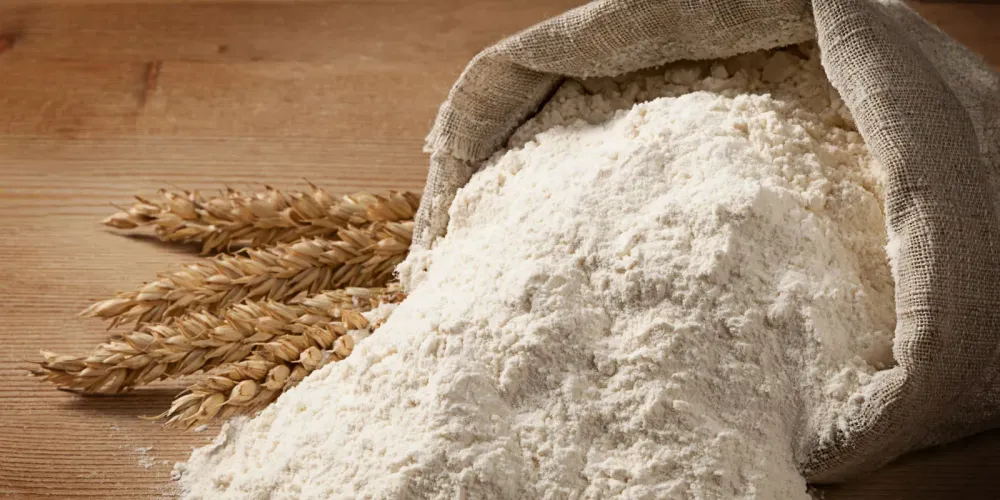
Imagine the scene: you are standing in a supermarket in front of the grocery shelf, planning to bake the perfect homemade bread or delicate French croissants. In front of you are about a dozen white packages, but instead of clear hints, they have mysterious labels: «Type 550», «W 300», «T65», or simply dry protein percentages. For many people, this looks like complicated secret coding, although in reality these numbers are direct instructions for the cook.
The Mystery of Ash Content and European Types
When you see a marking with the letter «T» or the numbers «00», «405», «550» on Italian or German flour, it refers to what is known as ash content. This term means the amount of mineral substances left after burning a test portion of grain in a laboratory. The lower the number, the more thoroughly the grain has been refined, and the whiter the crumb of your future baked goods will be. If you want a perfect result in pastry making, classic premium-grade flour may not be enough, so it is worth choosing the right flour in advance for a specific gastronomic task, taking into account its specification and origin.
For convenience, remember this simple gradation of European types, which is most often found in recipes:
- Type 405 or 00 — maximally refined, airy, finely ground flour. It contains the least amount of the grain’s outer layers, absorbs moisture very well, and is indispensable for delicate sponge cakes, fluffy muffins, authentic Italian pizza, and homemade pasta.
- Type 550 or 0 — the universal soldier of cooking. It contains slightly more minerals, which gives the dough better elasticity, so professional bakers choose it for rich buns, French baguettes, and yeast dough.
- Type 812 — an intermediate option that is ideal for baking classic light homemade bread with a crispy crust.
- Type 1050 or T110 — dark, almost whole-grain flour. It is rich in bran, has a characteristic nutty aroma, and is used for healthy brown bread or galettes.
These numerical designations help European chefs work according to a single standard.
The Strength of Gluten: Why Protein Percentage Matters
The next important marker that buyers often ignore is the percentage of protein per 100 grams of product. This indicator determines the amount of gluten that forms the structure of your baked goods, holding air bubbles inside the dough.
A simple rule applies here: the higher this percentage, the «stronger» the flour is considered:
- 9–10.5% — weak flour, ideal for crumbly shortcrust pastry, tarts, and crispy cookies, where elasticity is not needed at all;
- 11–12% — a universal indicator for everyday needs, pancakes, fritters, and most types of regular homemade bread;
- 13–14% — strong flour, often made from durum wheat or Manitoba wheat, intended for complex rich dough with a large amount of sugar and butter, such as Easter bread or panettone.
The ability to read packaging turns chaotic cooking into a predictable science. Next time you choose ingredients for your culinary masterpieces, be sure to pay attention to the small numbers and indexes.
Editorial team agronom.info
Materials are prepared by the portal's agronomists and editors. We use only trusted sources: Ukrainian agricultural universities, variety registries, open scientific publications.
Related articles
Not yet comments. Be the first!
Comments