
Garden Treatment Schedule for Spring and the Growing Season: A Step-by-Step Algorithm
Most backyard gardeners only think about plant protection when spots appear on leaves and fruits begin to rot. Chaotic defensive measures based on neighbors' advice rarely yield the desired result, as fighting an infection or pests at the peak of…
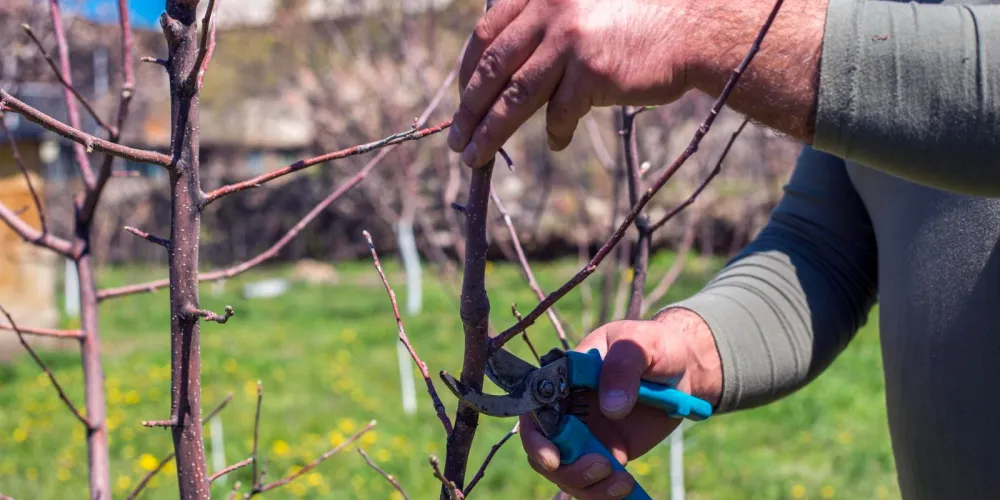
Most backyard gardeners only think about plant protection when spots appear on leaves and fruits begin to rot. Chaotic defensive measures based on neighbors' advice rarely yield the desired result, as fighting an infection or pests at the peak of an infestation is significantly more difficult.
A well-prepared garden treatment schedule for spring and throughout the growing season helps prevent up to 80% of common diseases. A systematic approach not only preserves the harvest but also reduces chemical load on the soil and costs associated with purchasing products. Let's figure out how to build your own gardener's calendar step-by-step.
Step 1 — Inventory: What crops are growing and what were they sick with
It is impossible to create a plan for protective measures "by eye" or based on an internet template without considering the actual state of the plot. The first step is a detailed inventory of all plantings and an analysis of the previous season's problems.
Make a list of all stone fruit, pome fruit, berry, and vegetable crops. Analyze last year's disease outbreaks: was there scab on apple trees, moniliosis on cherries, or late blight on tomatoes? Agronomists recommend keeping photo records of symptoms throughout the summer. If powdery mildew was noticed on currant bushes, then in early spring, this specific crop will require increased attention. Without such analysis, the schedule will be disconnected from reality.
Step 2 — Garden spraying calendar by phenological phases
Calendar dates (e.g., "April 15th") do not work for plant protection because weather conditions change every year. The main guide for an agronomist is the phenological phases of plant development.
Before bud burst (dormant bud): A period when the average daily temperature reaches +4…+5 °C. At this time, the first garden treatment against overwintering stages of pests and pathogens is carried out.
Green tip: The phase when the bud has just burst and the green tip of the leaf appears. At this moment, scab and coccomycosis pathogens are activated.
Pink / white bud: The period immediately before flowering. Protection against blossom beetles, sawflies, and blossom blight (monilial burn) is carried out.
After flowering (fruit set): A time of active fruit growth and increased risk of the spread of caterpillars, aphids, and leaf spots.
Garden treatment regulations by phenological phases
Adhering to a clear schedule is easy to track by the main stages of plant development:
Apple and pear (dormant bud phase): Preventive treatment against overwintering pathogens and scale insects is carried out. Copper-containing compounds or oil emulsions are used.
Apple and pear (green tip phase): Protection against scab, moniliosis, and blossom beetles. A combination of fungicides and insecticides is applied.
Cherry and plum (pink bud phase): Prevention and protection against blossom blight and aphids. Systemic fungicides are used.
Vegetable crops, particularly tomatoes (seedling rooting phase): Protection of the root system against root rot and damping off. Bio-products based on Trichoderma are applied.
Berry shrubs (fruit set formation phase): Protection of fruits against powdery mildew and mites. Bio-fungicides and acaricides are used.
Step 3 — Selecting protection products for your schedule
Once the list of phases and threats is formed, specific active ingredients are selected. To build sustainable protection, it is important to understand the basic criteria for choosing products.
Contact vs. Systemic products
Contact products remain on the leaf surface and can be washed off by rain (e.g., copper or sulfur-based products). They are ideal for early spring. Systemic products penetrate plant tissues and protect new growth for 14–21 days regardless of precipitation.
Chemical vs. Biological products
Chemical pesticides provide a quick "stop-effect" during mass outbreaks but have a waiting period until harvest. Biological measures (based on Bacillus subtilis bacteria or Trichoderma fungus) are environmentally friendly and have no waiting period, but they require regular application at temperatures above +12…+15 °C.
The main rule when choosing is to alternate active ingredients from different chemical groups. Constant use of the same product causes resistance (adaptation) in pathogens. Professional tree spraying products, organo-mineral complexes, and biological agents can be selected through specialized organic product stores, focusing on recommendations for alternating active components.
Step 4 — Record keeping and schedule correction
Even an ideal garden treatment in spring requires flexibility. Weather conditions are the main factor that adjusts a pre-arranged schedule.
Keep a simple treatment log, noting the date, development phase, product name, dosage, and air temperature. This will help analyze mistakes at the end of the season.
Unscheduled treatments are necessary in cases of:
Prolonged rains at temperatures of +15…+22 °C (ideal conditions for the development of fungal infections).
Severe hail or mechanical damage (requires urgent treatment with a contact fungicide to disinfect wounds).
Sudden detection of pest hotbeds on neighboring plots.
If rain occurs sooner than 4–6 hours after spraying (for contact products), the treatment will have to be repeated once the leaves dry.
Timely tree spraying in spring and consistent garden protection by phenological phases is the foundation of a healthy garden. Systemic prevention is always more effective and cheaper than emergency treatment of neglected diseases. Create your own schedule at the beginning of the season, alternate active ingredients, and adjust measures depending on the weather to obtain a high-quality and safe harvest.
Editorial team agronom.info
Materials are prepared by the portal's agronomists and editors. We use only trusted sources: Ukrainian agricultural universities, variety registries, open scientific publications.
Related articles


Not yet comments. Be the first!
Comments