
Dioscorea mosaic virus
Potyvirus nippodioscoreae
The causative agent of the disease is the Dioscorea mosaic virus, belonging to the genus Potyvirus. It is a systemic plant pathogen containing a single-stranded RNA genome that disrupts the normal biological functions of the host plant.
What the section contains
Dioscorea mosaic virus
The virus is primarily transmitted through vegetative propagation. Since yams are commonly grown from tubers, the use of infected planting material ensures that the virus persists and spreads to every subsequent generation of the plant.
Insect vectors, particularly aphids, play a crucial role in the spread of the virus. These insects feed on the sap of infected plants and subsequently transmit the virus to healthy ones in a non-persistent manner.
Mechanical transmission is another significant pathway. The use of contaminated pruning tools, knives, and other agricultural equipment can spread the virus throughout a plantation if proper disinfection protocols are not strictly followed.
Potyvirus nippodioscoreae exhibits a specific host range, primarily targeting species within the Dioscorea genus. These crops are vital for food security in many tropical regions, making the control of this virus a priority.
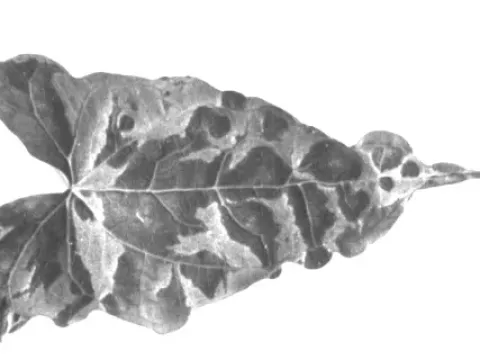
The most prominent sign of the disease is the development of a mosaic pattern on the leaves. The foliage shows chlorotic spots, mottling, or light-colored streaks that contrast with the healthy dark green tissue.
Leaves often become distorted, crinkled, or exhibit stunted growth. These deformations are clear indicators of the plant's metabolic distress caused by the viral interference with photosynthesis and nutrient uptake.
General stunting of the entire plant is a common observation. Affected plants fail to reach their full potential, displaying weaker stems and a significantly reduced overall vegetative biomass compared to healthy controls.
Tubers in heavily infected plants may show internal necrosis or external deformities. Such damage significantly reduces the market quality of the harvested product and renders the tubers unsuitable for seed purposes.
Symptoms are often more pronounced during periods of high temperature and rapid vegetative growth, as these conditions stimulate both the viral replication process and the metabolic activities of the plant.
The spread of the virus is heavily influenced by the population dynamics of its insect vectors. Warmer weather promotes the proliferation of aphids, which leads to higher rates of viral transmission across the field.
Dense planting configurations encourage rapid virus spread, as foliage contact between plants facilitates the movement of insect vectors. Additionally, poor field hygiene creates an environment conducive to ongoing infection cycles.
Environmental conditions that favor rapid yam growth, such as high humidity and consistent temperatures, also favor the activities of vectors, meaning that peak growth periods often coincide with peak infection risks.
The failure to clear fields of infected crop residues after harvest allows the virus to potentially persist in the local environment, although the primary reservoir remains the infected seed tubers.
Inadequate crop rotation strategies contribute to the accumulation of viral particles in the soil-crop system, increasing the chances of re-infection in subsequent growing seasons.
The primary economic impact of Dioscorea mosaic virus is a drastic reduction in crop yields. Infected plants often produce fewer and smaller tubers, leading to significant losses in total tonnage per hectare.
The quality of the tubers is severely compromised, which affects post-harvest handling. Infected produce is more susceptible to secondary rots, causing higher spoilage rates during storage and distribution.
Viral infection weakens the plant's overall physiology, making it less resilient to abiotic stressors such as drought, nutrient deficiencies, or intense heat, further exacerbating the yield decline.
Farmers often suffer financial losses not only from yield reduction but also from the increased costs associated with procuring certified, virus-free planting material to replace infected stocks.
If left unmanaged, the cumulative effects of the virus can jeopardize the sustainability of commercial yam cultivation, forcing growers to abandon affected fields or switch to less susceptible varieties.
The foundation of effective control is the use of healthy, virus-free planting material. Growers should source tubers from certified nurseries that employ laboratory diagnostic testing to ensure the absence of pathogens.
Regular field scouting is essential for the early detection and roguing of infected plants. Removing and destroying symptomatic individuals immediately helps contain the spread of the virus to neighboring healthy plants.
Integrated Pest Management (IPM) practices focusing on aphid control are crucial. The timely application of systemic insecticides can suppress vector populations and significantly reduce the likelihood of secondary spread.
Strict sanitation protocols must be maintained on the farm. All cutting tools and agricultural machinery should be disinfected after use in potentially infected areas to prevent the mechanical transmission of viral particles.
In advanced production systems, utilizing meristem-tip culture techniques to produce disease-free plantlets is the most reliable way to maintain clean stocks and ensure long-term productivity of the yam crop.