
Pycnostysanus
Pycnostysanus
The disease is caused by the imperfect fungus Pycnostysanus azaleae (synonym Brachysporium azaleae). This pathogen belongs to the hyphomycetes group and specifically targets woody plants, particularly members of the Ericaceae family.
What the section contains
Pycnostysanus
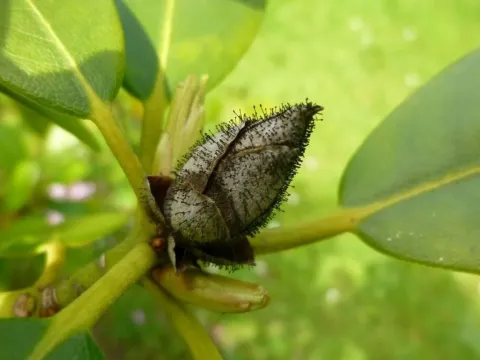
The mycelium of the fungus develops within the plant tissues, gradually infiltrating the vascular system and compromising its integrity. During its life cycle, the pathogen forms characteristic conidiophores aggregated into dense clusters, which visually resemble small black club-shaped structures.
Dissemination of the pathogen in agricultural settings occurs primarily via conidia, which are easily transported by wind, rain splashes, or during horticultural activities. The fungus can survive in infected plant debris, which serves as the main reservoir for primary infection in subsequent years.
The biology of Pycnostysanus is closely tied to the weakening of the host plant's immunity, rendering it more susceptible to spore penetration. The pathogen exhibits high host specificity and is typically found locally in nurseries and specialized garden collections.
Scientific studies confirm that this fungal species is highly adaptable to various climatic conditions in temperate zones. Its life cycle includes both a saprotrophic phase in fallen leaves and an active parasitic phase on young shoots and buds.
The primary symptom of infection is the massive dieback of buds, particularly in azaleas and rhododendrons, which prevents normal flowering. Infected buds turn brown, shrivel, and often remain on the branches until the next season.
On the surface of affected buds and young shoots, small black cushions are clearly visible, representing the fruiting bodies of the fungus. These structures give the plant an untidy appearance and serve as a key diagnostic marker for identifying the disease in the field.
As the disease progresses, wilting and necrosis of young shoots occur, typically dying back from the top down. The affected bark may crack, revealing damaged tissues underneath, which facilitates secondary infestation by pests.
Foliage near the infected areas may turn yellow and drop prematurely. In high humidity conditions, a grayish-black fungal coating, consisting of spore masses, can sometimes be observed on necrotic shoot segments.
Diagnosis is often complicated as initial stages are frequently mistaken for physiological burns or winter damage. However, the presence of characteristic black fungal stroma under a magnifying glass is a definitive indicator of a fungal infection.
High air humidity and moderate temperatures during the spring and autumn periods are the most favorable conditions for Pycnostysanus development. Frequent fog and prolonged rainfall create ideal conditions for conidia germination.
Dense plantings lacking proper air circulation quickly become infection hotspots. In such microclimatic conditions, the pathogen reproduces significantly faster, spreading to neighboring plants within a short period.
Inadequate agricultural practices, such as improper irrigation or soil waterlogging, also trigger disease outbreaks. Weakened plants experiencing nutrient deficiencies have lower resistance to fungal hyphae penetration.
Mechanical injuries to shoots caused by pruning or pests serve as entry points for the infection. The fungus successfully colonizes fresh cuts if they have not been timely treated with protective fungicides or pastes.
Winter thaws followed by sudden frosts induce plant stress, which further facilitates the establishment of the pathogen in tissues. The presence of uncleared plant debris on the site, where the fungus overwinters, is a major contributing factor.
The damage caused by Pycnostysanus primarily involves the loss of ornamental value and biological productivity. The destruction of buds leads to a complete absence of flowering, which is critical for ornamental nurseries.
Prolonged fungal activity leads to crown deformation and the overall weakening of the shrub. Severely affected plants may die completely if sanitation measures are not implemented.
In commercial plantings, the disease causes significant economic losses due to the rejection of nursery stock. Quality standards prohibit the sale of infected material, forcing producers to destroy entire batches.
Infected plots can become permanent sources of the pathogen for adjacent crops. This creates a long-term challenge for agronomists, as eradicating the fungus from soil and organic debris is extremely difficult.
Beyond direct shoot destruction, the fungus triggers a complex of secondary rots that may attack the root system. This leads to impaired nutrient uptake and the gradual demise of the plant due to cumulative stress factors.
The primary control measure is the sanitary pruning of all infected shoots and buds, followed by their mandatory destruction through burning. This allows for a drastic reduction in the local infection pressure.
During the growing season, it is recommended to apply prophylactic fungicide treatments, including copper-based products or modern systemic compounds. Spraying should begin before peak humidity periods, guided by weather forecasts.
Ensuring optimal cultivation practices, including proper irrigation and regular ventilation of plantings, significantly reduces the likelihood of infection. Maintaining adequate spacing between plants hinders the rapid spread of spores.
It is important to monitor bark condition and immediately treat all pruning wounds with disinfecting pastes. Mulching the soil to prevent foliage contact with contaminated plant debris is also highly beneficial.
- Use only healthy planting material.
- Regular disinfection of pruning tools.
- Timely removal and destruction of fallen leaves.
- Maintenance of strong plant immunity.
- Application of biological products as a preventive measure.