
Pelargonium flower break
Pelargonium flower
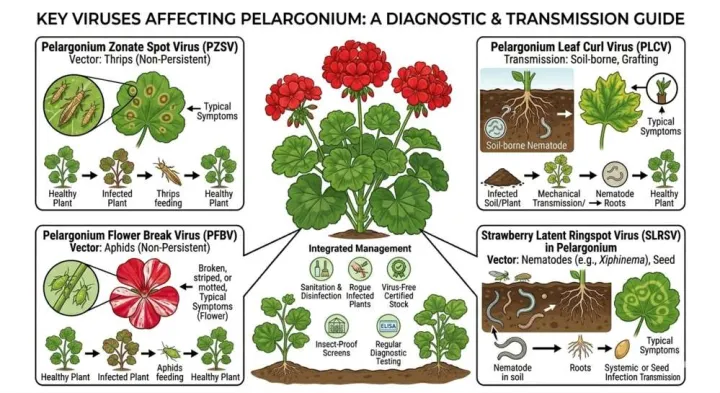
Description
Symptoms
The hallmark symptom of this condition is the appearance of streaks, spots, or irregular patterns on petals that contrast with the natural flower color.
Affected flowers often show signs of distortion, losing their typical structural integrity or exhibiting blurred color patterns on the petal margins.
Foliage symptoms include mosaic-like patterns, vein clearing, or the development of light-colored chlorotic spots, often referred to as ringspot symptoms.
Infected plants exhibit stunted growth, thinning of shoots, and a significant reduction in flower production, often leading to total cessation of blooming.
As the disease progresses, the overall health of the plant declines, manifesting in premature leaf yellowing, wilting, and eventual plant death.
Pathogen
The primary causal agents include the Cucumber mosaic virus or specific Pelargonium flower break viruses that invade the plant cellular machinery.
The disease is classified as a systemic viral infection, spreading throughout the vascular tissues, leaves, and reproductive organs of the host plant.
These viruses are obligate parasites, meaning they rely entirely on the host plant's metabolism for the replication of their viral RNA particles.
The virus persists in the sap and tissues of infected plants, making cuttings from symptomatic mother plants a primary pathway for new infections.
Transmission occurs through mechanical injuries during handling and by insect vectors that feed on the phloem sap of infected individuals.
Conditions for development
The spread of the virus is highly dependent on the presence of insect vectors, particularly aphids, which transmit the pathogen while feeding.
High planting density in greenhouses or indoor environments facilitates rapid contact transmission between healthy and infected plants.
Poor sanitation practices, such as failing to disinfect cutting tools between plants, significantly increase the risk of cross-contamination.
Optimal environmental conditions for aphid reproduction coincide with the primary infection window in the late spring and summer months.
Stress factors such as improper lighting, fluctuating temperatures, or poor soil nutrition weaken the plant's natural defenses, increasing susceptibility.
Why it matters
The primary impact is the permanent loss of aesthetic appeal, rendering the plants unsuitable for commercial sales, exhibitions, or home display.
The virus disrupts vital physiological processes, including photosynthesis and nutrient uptake, leading to the gradual decline of cultivar quality.
The disease affects a wide range of popular ornamental species, including Pelargonium graveolens, Pelargonium peltatum, and common geraniums.
Because there is no cure for viral infections in plants, the only viable management strategy is the complete removal and disposal of infected specimens.
Financial losses occur due to the disposal of valuable collections, disinfection costs, and the risk of losing rare, irreplaceable genetic varieties.
Protection
Rigorous phytosanitary measures, including the immediate roguing and destruction of any plant showing suspicious symptoms, are the first line of defense.
Implement a consistent integrated pest management (IPM) program to control aphids, whiteflies, and other potential virus vectors.
Always sterilize gardening tools with ethanol or appropriate disinfectants between uses on different plants to prevent mechanical virus transmission.
Ensure that all new plant acquisitions are placed in strict quarantine for a period to monitor for any signs of viral disease before introduction.
- Use sterile soil-less media for propagation to prevent soil-borne spread.
- Wash hands thoroughly after handling symptomatic plants.
- Control weeds near the growing area that may harbor the virus.
Pathogens and affected parts
Affects crops · 3
Discussion
No discussions yet — be the first.