
Pachnocybaceae
Pachnocybaceae
The family Pachnocybaceae belongs to the order Helotiales (class Leotiomycetes). These fungi are often recognized as opportunistic organisms that thrive in moist environments.
What the section contains
Pachnocybaceae
The pathogen develops through microscopic conidiophores, which are typically found on decaying plant debris rather than living tissues initially.
Biologically, these fungi are adapted to survive in various substrates, allowing them to remain latent until environmental conditions favor their growth.
Propagation is facilitated by wind-dispersed spores that can cover large distances, colonizing stressed or wounded plant parts during the growing season.
The mycelium of this fungus is remarkably resilient, capable of overwintering in soil or crop residue, providing a persistent source of inoculum.
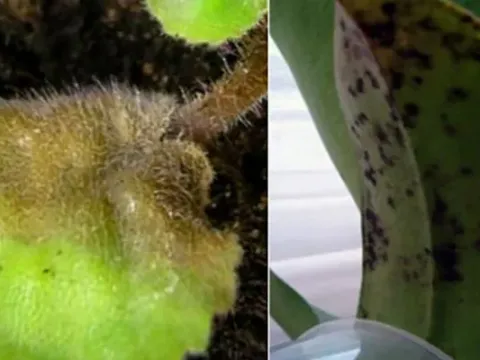
Visible symptoms often include a discolored, velvety, or granular growth on the affected stalks, petioles, or leaves of the crop.
Infected areas often show signs of tissue softening, which eventually leads to localized necrosis if the infection remains unchecked.
A distinctive feature is the presence of dark-colored reproductive structures that contrast with the healthy tissue of the host plant.
Early-stage infection might be subtle, presenting as chlorotic spots that gradually develop into necrotic lesions as the fungal colony expands.
Plants affected by this fungus often exhibit a general lack of vigor, stunted growth, and a reduction in photosynthetic activity.
High relative humidity and poor air circulation are the primary drivers that trigger the rapid proliferation of Pachnocybaceae.
Moderate temperatures ranging between 18°C and 24°C provide the most favorable environment for the germination and spread of fungal spores.
Dense planting patterns that limit airflow create a humid microclimate, which significantly accelerates the colonization process.
Damage caused by mechanical harvesting, pest feeding, or hail creates entry points for the fungus to infiltrate plant tissues.
Extended periods of rainfall combined with low sunlight exposure are ideal conditions for the fungus to transition from saprotrophy to parasitism.
The economic impact of this fungus is primarily seen in yield reductions resulting from compromised plant health and premature senescence.
If fruits or grains are affected, their shelf life is significantly reduced due to potential secondary rotting caused by the fungus.
By weakening the plant's overall system, the pathogen makes the crop more susceptible to attack by more aggressive fungal and bacterial species.
In greenhouse operations, uncontrolled outbreaks can rapidly lower the quality of the marketable product, leading to significant financial losses.
The presence of the fungus increases operational costs due to the necessity of enhanced cleaning, sanitation, and chemical intervention.
Preventative strategies are the most effective way to manage Pachnocybaceae, focusing on maintaining optimal plant hygiene.
Ensuring proper ventilation in both field and greenhouse environments is critical to keeping the microclimate unfavorable for fungal growth.
Chemical control involving fungicides should be implemented based on risk assessments, focusing on prevention before symptoms become widespread.
Proper nutrient management, particularly avoiding excessive nitrogen, strengthens the plant's natural defense mechanisms against opportunistic fungi.
- Crop rotation to break the pathogen's life cycle
- Regular removal and burning of infected plant debris
- Optimal spacing to improve air movement
- Application of protective fungicide sprays