
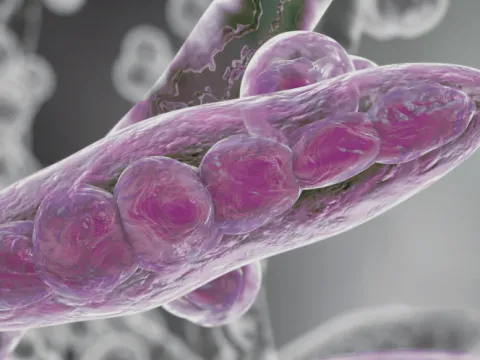
Nannizzia fulva
Nannizzia fulva
Nannizzia fulva is a keratinophilic fungus that serves as the teleomorph (sexual stage) of the anamorphic fungus Microsporum fulvum. It is recognized as a geophilic dermatophyte, primarily residing in soil environments.
What the section contains
Nannizzia fulva
Unlike obligate plant parasites, this fungus survives by breaking down keratinous materials such as animal hair, feathers, and skin scales found within the soil structure.
The biological cycle includes the formation of cleistothecia containing ascospores, which are highly resilient structures that allow the fungus to endure harsh environmental conditions.
In an agricultural context, its presence is not typically linked to crop failure, but it remains a significant sanitary indicator in greenhouses where organic matter management is critical.
It acts as a opportunistic pathogen for humans and animals, making its presence in agricultural soils a matter of occupational health and safety.
The development of Nannizzia fulva is heavily dependent on the presence of nitrogen-rich keratin substrates. High humidity and moderate temperatures between 20°C and 30°C are ideal for colony expansion.
The fungus thrives in soils with neutral to slightly alkaline pH, often found in greenhouses where lime or mineral fertilizers are frequently applied.
Dissemination is largely mechanical, occurring via contaminated tools, personnel footwear, or water runoff that carries spores from infested soil areas.
Lack of proper soil aeration and over-saturation with moisture can promote the growth of this dermatophyte, allowing it to persist in the top layer of the substrate.
Greenhouse environments provide stable conditions that protect the fungus from extreme weather, allowing it to maintain viability throughout multiple growing seasons.
The primary concern regarding Nannizzia fulva is its potential to cause dermatophytosis in agricultural workers, particularly those handling soil directly without adequate personal protective equipment.
While direct phytopathogenic impact on crops is minimal, the fungus can colonize organic-rich media, leading to a degraded sanitary status of the soil used for plant production.
The need for containment and decontamination procedures significantly increases operational costs if the pathogen is identified within the nursery or greenhouse facility.
Furthermore, it poses a risk to livestock or pets that may come into contact with soil contaminated by the fungus, potentially spreading the infection.
In professional horticulture, the presence of such fungi may disqualify compost or soil products from meeting stringent quality control standards required for commercial distribution.
Soil sterilization using steam or professional fumigation remains the most reliable method for eradicating Nannizzia fulva in controlled environments like greenhouses.
Strict sanitation protocols must be enforced, including the total exclusion of keratin-based inputs like raw animal manure or bone meal from potting mixes.
The use of biological control agents, specifically beneficial fungi like Trichoderma harzianum, can help suppress the pathogen through resource competition and enzymatic activity.
Regular maintenance of personal hygiene by workers, including the use of protective gloves and the disinfection of tools, is essential to minimize the risk of infection.
- Regular monitoring of soil microbiology to detect keratinophilic fungi presence.
- Implementation of proper soil drainage to avoid excessive moisture.
- Routine disinfection of footwear and equipment entering the cultivation area.