
Medeolaria
Medeolaria
Medeolaria is a genus-specific fungal pathogen responsible for causing plant infections characterized by distinct symptoms on host foliage and stems. The fungus behaves as an obligate or facultative parasite, extracting vital nutrients from the plant's vascular and cellular tissues.
What the section contains
Medeolaria
The life cycle of this pathogen involves the production of spores that are disseminated primarily by wind and rain splash. These spores land on susceptible plant surfaces and, under proper environmental conditions, germinate to penetrate the epidermal layer.
Once inside, the fungal mycelium colonizes the inter-cellular spaces, secreting enzymes that break down cell walls. This destructive process allows the fungus to expand its reach and prepare for the next reproductive cycle.
Medeolaria often exhibits long-term survival capabilities, utilizing specialized overwintering structures that remain viable in crop debris or soil for extended periods, making eradication particularly difficult.
Understanding the biology of this pathogen is crucial, as its genetic profile allows it to adapt to various environmental stressors, necessitating continuous monitoring of affected areas.
The primary indicators of Medeolaria infection include the development of localized spots on leaves, which typically begin as small, discolored areas before expanding into larger, necrotic lesions.
As the infection progresses, affected plants exhibit characteristic distortions, such as leaf curling or stem twisting. In severe cases, the necrosis may lead to the total death of the leaf blade or individual branch.
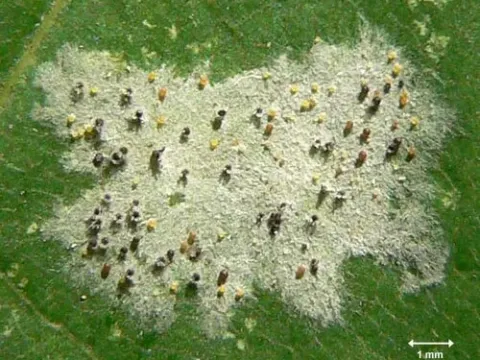
Visual confirmation of the disease often involves identifying a specific fungal growth, typically seen as a fine, dusty layer of spores on the underside of infected leaves or within the tissue depressions.
Stunting is a common systemic symptom, as the plant redirects energy from growth to immune response, ultimately resulting in reduced vigor and poor overall development.
Farmers should look for yellowing (chlorosis) around the margin of the spots, which serves as an early warning signal of the underlying fungal infestation long before widespread damage occurs.
Environmental conditions play a decisive role in the spread of Medeolaria. High relative humidity and moderate temperatures create an ideal window for the rapid germination of fungal spores.
Rainy seasons, characterized by frequent intervals of moisture, facilitate the spread of the pathogen throughout the canopy. Prolonged leaf wetness is a critical factor that determines the severity of the infection.
Poor aeration within planting rows, often caused by excessive plant density, prevents proper evaporation and maintains a microclimate conducive to persistent fungal activity.
Soil quality and plant nutritional status also influence susceptibility; excessive nitrogen promotes lush, succulent growth that is significantly easier for fungal hyphae to penetrate compared to hardened, nutrient-balanced tissues.
Fluctuating temperatures combined with overcast weather patterns often stress the plant, making it more prone to infection and reducing its inherent ability to contain the pathogen.
The economic impact of Medeolaria is substantial, as it directly affects crop yields by damaging the photosynthetic capacity of the plant, leading to smaller, lower-quality produce.
In addition to direct yield loss, the disease impairs the marketability of ornamental crops, as the visual damage—such as necrosis and deformity—renders them unsuitable for sale.
Cumulative damage can result in the loss of entire plantings if the disease is not managed early in the season, as the pathogen establishes a permanent reservoir of infection in the plot.
Compromised plants are often more attractive to secondary insect pests and opportunistic bacterial diseases, which further complicates management and increases the necessity for additional treatments.
Frequent fungicide application, while effective, adds significant costs to agricultural production, putting pressure on the overall profitability of the farming enterprise.
Integrated management is the most effective approach for controlling Medeolaria. This involves combining cultural practices with targeted chemical treatments to suppress the pathogen.
Crop rotation is perhaps the most vital tool, as it denies the fungus its specific host, effectively starving the population and preventing the accumulation of inoculum in the field.
Strict sanitation protocols must be enforced during and after the growing season. Removing and destroying all infected plant matter is essential to eliminate primary infection sources for the following year.
Chemical control should be employed strategically, using systemic fungicides during high-risk periods to stop the spread of mycelium before it causes widespread visual damage.
- Utilize disease-free seeds and planting stock to avoid initial introduction.
- Maintain proper spacing between plants to enhance airflow and leaf drying.
- Monitor fields regularly for early signs of lesions to enable swift intervention.
- Apply preventative copper-based fungicides when weather conditions favor disease outbreak.