
Oil palm marasmius rot
Marasmius palmivorus
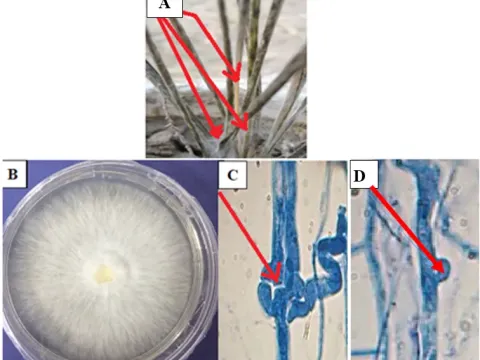
The causal agent of this disease is the basidiomycete fungus Marasmius palmivorus. This pathogen specializes in infecting the reproductive structures of tropical crops, particularly oil palms.
What the section contains
Oil palm marasmius rot
The disease is classified as a rot of inflorescences and young fruits. The fungus thrives on decaying organic matter and can easily spread to living tissues of the host plant.
The fungus produces spores that are easily disseminated by wind and rain splashes. The mycelium is capable of rapid colonization in warm, humid tropical environments.
Biologically, the fungus is known for its high persistence, as it can remain viable for long periods in soil or on infested plant debris.
The infection begins when fungal hyphae penetrate the inflorescence tissues, gradually breaking down cellular structures and leading to necrosis.
The first signs of infection include the appearance of white or creamy mycelium on the surface of young inflorescences. Tissues soon darken and begin to rot.
As the disease progresses, fruits become covered in a dense, fluffy fungal mat. Infected areas soften and emit a distinct, unpleasant putrid odor.
In advanced stages, massive shedding of unripe fruit occurs, which significantly compromises the overall yield of the plantation.
Under high humidity, small mushroom-like fruiting bodies may emerge from the decaying fruits, serving as a clear diagnostic indicator of the pathogen.
Infection spreads rapidly between adjacent inflorescences, creating noticeable patches of rot throughout the crown of the palm tree.
High relative humidity is the primary driver for the development and spread of marasmius rot. Frequent rainfall provides ideal conditions for spore germination.
The optimal temperature range for the pathogen's growth is between +25°C and +30°C. High temperatures combined with moisture accelerate the infection cycle.
Poor air circulation within the canopy, often due to high planting density, creates a stagnant microclimate that encourages fungal development.
Accumulation of dead leaves, old inflorescences, and other plant waste around the base of the tree provides a significant inoculum reservoir.
Neglecting sanitation and failing to clear the palm crowns of old or dead materials allows the fungus to survive and multiply within the plantation.
The primary economic impact of marasmius rot is the direct loss of fruit production. Infected inflorescences fail to produce viable fruit bunches.
The disease leads to a substantial reduction in palm oil extraction rates, directly affecting the profitability of agricultural enterprises.
Severe infections weaken the palm tree, making it more vulnerable to opportunistic pests and other secondary pathogens, potentially shortening the tree's lifespan.
In nursery settings, this fungus can cause high mortality rates among seedlings, hindering the establishment of new plantations.
Rapid spread of the disease during favorable weather conditions can lead to catastrophic losses if not managed with immediate intervention.
Regular sanitation is the cornerstone of disease control. All infected inflorescences and rotten fruits must be pruned and removed from the site.
Keeping the area under the palm crowns free of debris is essential to reduce the primary inoculum and break the fungal life cycle.
Application of copper-based fungicides during the flowering period serves as an effective preventive measure to inhibit spore germination.
Optimizing plant spacing and performing canopy pruning improve air circulation, thereby reducing local humidity and discouraging fungal growth.
Early monitoring of plantations is critical; detecting the disease at the onset of flowering allows for targeted control before the rot becomes widespread.