
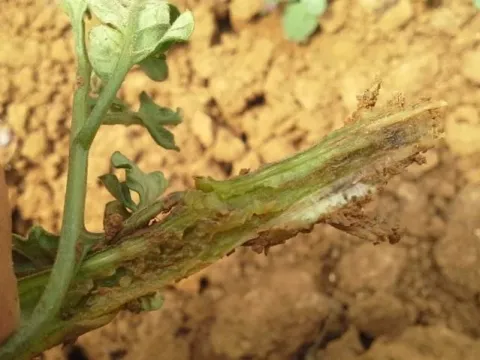
Fusarium incarnatum
Fusarium incarnatum
Fusarium incarnatum is a soil-borne fungal pathogen belonging to the Ascomycota phylum. It is known for its wide host range, affecting numerous agricultural crops and ornamental plants globally.
What the section contains
Fusarium incarnatum
The fungus is characterized by the production of microconidia and macroconidia, which facilitate its dispersal. It can persist in the environment for extended periods by forming resilient mycelial structures and chlamydospores in plant debris.
As a facultative parasite, the organism thrives on dead organic matter but can rapidly infect living tissue when environmental conditions are favorable. This dual life strategy makes it a persistent threat in various agricultural ecosystems.
Genetic diversity within the species is significant, often leading to variations in virulence. This complexity challenges traditional diagnostics, as it is frequently associated with other Fusarium species in complex disease scenarios.
Environmental survival is ensured by the pathogen's ability to withstand extreme fluctuations in soil moisture and temperature. Once established in a field, the inoculum density can increase rapidly with repeated susceptible cropping.
Early symptoms of infection include chlorosis, wilting of the foliage, and stunted growth. Infected plants often show necrotic lesions at the base of the stem or the crown region.
Under high humidity, a characteristic whitish to pinkish fungal mycelium may appear on the surface of the infected tissues. This mass of mycelium later evolves into spores, spreading the infection to neighboring plants.
Seedlings infected by Fusarium incarnatum frequently exhibit damping-off symptoms, resulting in poor emergence. Those that do emerge often display stunted or deformed root systems, which are brown and decaying.
As the disease progresses, the vascular system of the plant becomes compromised, causing a distinct browning of internal tissues. This prevents the transport of water and nutrients, leading to permanent wilting and death.
- Yellowing and wilting of leaves.
- Necrotic lesions on stems and roots.
- Pinkish mycelial growth on plant surfaces.
- Root decay and poor vascular function.
The development of Fusarium incarnatum is strongly influenced by warm temperatures and high relative humidity. Optimal growth usually occurs between 20°C and 25°C, making spring and early summer periods critical.
Poor drainage and waterlogged soil conditions are major drivers of disease outbreaks. Excessive soil moisture facilitates the motility of spores and the overall aggressive spread of the mycelium.
Cultural practices such as dense planting reduce air circulation and increase humidity within the crop canopy. This microclimate encourages rapid colonization of plant tissues by the fungal pathogen.
Soil nutrient imbalances, specifically high nitrogen with low phosphorus and potassium, can render plants more susceptible to invasion. Stressed or injured root systems are particularly vulnerable to secondary infections.
The presence of infected crop residues on the soil surface serves as a primary source of inoculum. Failure to incorporate or remove these residues allows the pathogen to carry over into the next planting season.
The damage caused by Fusarium incarnatum results in significant yield reduction in cereals, legumes, and fruits. Economic losses stem from both reduced biomass and lower quality of the harvest.
One of the most dangerous aspects is the potential accumulation of mycotoxins in the harvested product. These toxins are hazardous to human and animal health and are difficult to remove once present.
By attacking the root system and vascular bundles, the fungus severely limits the plant's ability to maintain metabolic functions. This impact makes the crop highly sensitive to drought and heat stress.
In stored produce, the pathogen can cause soft rots, leading to complete destruction of inventory. This aspect significantly affects post-harvest handling and shelf life of perishable crops.
Frequent occurrences of this disease increase production costs due to the necessity for constant monitoring and the application of chemical control measures, affecting overall farm profitability.
Preventive measures begin with the use of high-quality, fungicide-treated seeds. Systemic seed treatments are effective in protecting seedlings during the critical stages of emergence.
Implementing a diverse crop rotation is a highly recommended strategy. Avoiding the planting of susceptible hosts in the same field for several years helps in depleting the inoculum density in the soil.
Proper field management, including the deep incorporation of crop residues, accelerates decomposition and reduces the survival rate of the fungus. Maintaining good soil drainage is equally essential to prevent favorable conditions for the pathogen.
Fungicide applications during the growing season can suppress the spread of the disease. Strategic timing of sprays, using products from the triazole or benzimidazole groups, is crucial for effectiveness.
Balancing nutrient supply and utilizing resistant cultivars are long-term solutions for disease management. Healthy plants with strong cellular structures are inherently more resilient to fungal attacks.