
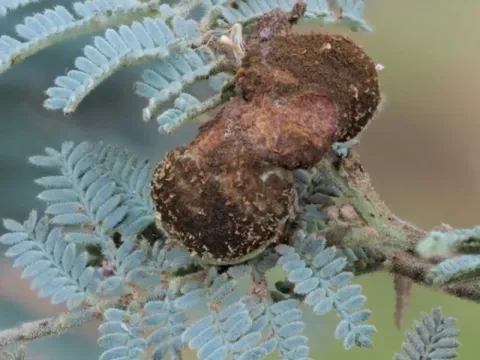
Endoraeciaceae
Endoraeciaceae
Endoraeciaceae is a family of basidiomycete fungi belonging to the order Pucciniales (rust fungi). These pathogens are highly specialized obligate parasites, meaning they depend entirely on living plant tissues for their survival and reproduction.
What the section contains
Endoraeciaceae
A key biological feature of this family is the development of aecia and other spores within the host's internal tissues, which distinguishes them from many other surface-dwelling rusts. The fungus invades the plant via stomata or natural wounds.
The life cycle of the pathogen often requires a specific host environment and can be complex, involving different stages of development. It has evolved to remain latent during unfavorable conditions, ready to emerge when the host is most vulnerable.
Dispersal is primarily aerial, with wind currents carrying spores over vast geographical areas. Secondary dispersal methods include water splashing during rainfall and accidental transmission by insects visiting multiple plants.
The genetic variability of Endoraeciaceae allows it to overcome traditional resistance in some crop varieties, making continuous monitoring of the pathogen's strains essential for effective agricultural management.
Symptoms often appear as chlorotic spots on the foliage, which eventually develop into distinct pustules. Unlike some other fungi, these pustules can originate from deep within the leaf parenchyma, causing the epidermis to rupture as they emerge.
The color of the spore masses varies depending on the specific phase of the life cycle, typically displaying bright yellow, orange, or deep brown hues. These spots are often clustered, indicating the site of localized infection.
Significant deformation of leaves, stems, and fruits is a common indicator of severe infestation. Plants may show signs of stunting, twisting, or leaf curling as the internal tissues are systematically consumed by the fungal mycelium.
If the infection reaches the flowers or developing fruits, it can lead to premature dropping or complete sterility. This results in a direct and irreversible loss of potential crop yield before maturity.
Microscopic inspection of the affected areas reveals the destruction of host cells and the dense network of fungal hyphae. Necrotic lesions follow the progression of the fungus, leading to the eventual death of the affected plant organs.
High humidity and consistent moisture are the most critical factors for the rapid spread of the disease. Prolonged morning dew, frequent rains, or heavy fog provide the necessary hydration for spore germination on leaf surfaces.
The optimal temperature range for the development of Endoraeciaceae usually falls between +15°C and +22°C. During these conditions, the incubation period shortens, facilitating a faster transition between infection cycles.
Poor field management, such as excessive seeding density, creates a stagnant microclimate within the canopy. Low airflow prevents the foliage from drying out, which creates a prime environment for fungal colonization.
Nutrient stress, specifically imbalances in potassium and phosphorus, can make plants more susceptible to fungal entry. Well-fertilized and vigorous plants possess stronger structural defenses that can sometimes delay or limit the infection.
Alternative hosts, including various weeds and native plant species found near agricultural fields, act as reservoirs for the fungus. These plants can maintain the disease pressure throughout the year, even when the primary crop is absent.
The primary agricultural impact of the disease is the significant reduction in photosynthetic efficiency. As the leaf area is damaged by pustules and necrosis, the plant loses its ability to accumulate biomass effectively.
Disruption of the plant's vascular system interferes with the transport of water and essential nutrients. This systemic strain causes early maturation, widespread wilting, and reduced grain or fruit quality.
Financial losses are driven by both diminished yields and the increasing costs of chemical interventions. Farmers often face higher labor and material expenses to manage outbreaks that threaten their profit margins.
Infected plants are also more prone to secondary infections by bacteria or other fungi, leading to complex health issues for the crop. This synergism between pathogens often leads to a more rapid decline in field productivity.
The safety of agricultural by-products is another concern. The accumulation of fungal toxins within the plant tissues may render crop residue unfit for use as animal feed, further impacting the farm's bottom line.
Crop rotation is the foundation of management for Endoraeciaceae. By removing the specific host crop for several seasons, farmers can break the life cycle of the obligate parasite and reduce spore counts in the soil.
Seed treatment with systemic fungicides provides an essential protective layer during the critical early stages of crop growth. This prevents the initial colonization and slows the development of primary infection sites.
Field sanitation remains a key practice. Thorough removal or deep incorporation of crop residues into the soil eliminates the overwintering sites for the pathogen, significantly lowering the risk of spring reinfection.
Foliar application of fungicides is recommended upon the first appearance of symptoms. Choosing the right product, based on the pathogen's sensitivity and the crop growth stage, is vital for halting the spread of the disease.
The development and adoption of resistant crop varieties remain the most sustainable strategy for long-term protection. Continued investment in plant breeding ensures that new strains can withstand the evolving pressure of Endoraeciaceae.