
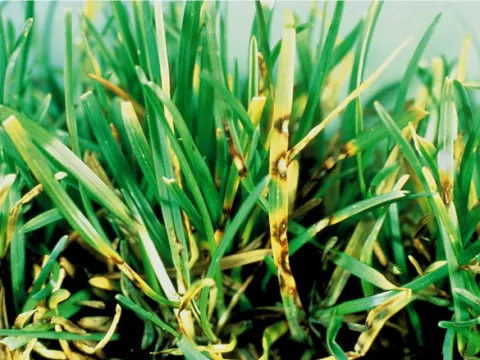
Drechmeria blight
Drechmeria
The disease is caused by fungi belonging to the genus Drechmeria. Historically, these fungi are recognized for their entomopathogenic properties, specifically targeting nematodes in soil ecosystems.
What the section contains
Drechmeria blight
In a phytopathological context, certain species can colonize the rhizosphere, functioning as opportunistic pathogens that impact the integrity of root tissues in various crop plants.
The pathogen utilizes complex enzymatic pathways to penetrate the root cortex, leading to the gradual degradation of the vascular system and cell wall breakdown.
The life cycle involves the formation of conidia, which are specialized spores capable of persisting in the soil for extended periods, even in the absence of a primary host.
The biological activity of these fungi is closely linked to the availability of organic matter and moisture, which dictate their ability to switch between saprotrophic and parasitic modes of life.
Visible symptoms often begin with stunted growth and a general lack of vigor in the aerial parts of the plant, frequently accompanied by yellowing leaves.
Examination of the root system reveals characteristic signs such as necrotic lesions, browning of secondary roots, and a reduction in the overall volume of the root mass.
Wilting during peak solar activity, despite adequate irrigation, is a common indicator that the plant's vascular system has been compromised by the fungal infection.
In field conditions, the disease often presents in patches, where clusters of plants exhibit delayed development compared to the surrounding healthy population.
As the infection progresses, premature senescence of leaves and dieback of the root tips may occur, drastically reducing the plant's capacity to absorb nutrients.
Prolonged high soil moisture and poor drainage create the ideal environment for the activation of fungal conidia and the spread of the pathogen through the soil matrix.
Temperatures ranging from +18 to +25 degrees Celsius are considered optimal for the rapid mycelial colonization of the root surfaces and the advancement of the infection.
Low soil oxygen levels, often associated with soil compaction or heavy texture, significantly hinder the activity of beneficial soil microbes, allowing Drechmeria to dominate.
Monoculture systems, where the same host species is grown repeatedly, lead to a high accumulation of the inoculum in the soil over time.
The presence of un-decomposed crop residues in the topsoil layer provides a continuous food source for the pathogen, ensuring its survival between planting seasons.
The damage caused by this disease is primarily manifested in yield loss due to the plant's inability to efficiently transport water and minerals to the reproductive organs.
Roots affected by the fungal activity are less capable of supporting the plant's metabolic demands, leading to poor biomass production and lowered harvest quality.
Severe infestations can cause significant stand reduction, potentially requiring re-sowing in cases where the pathogen has severely compromised the seedlings.
Weakened plants are highly susceptible to secondary attacks by other soil-borne pathogens, further exacerbating the decline of the crop and complicating diagnosis.
Economically, the presence of the disease necessitates increased investments in soil management and disease control strategies to mitigate long-term production losses.
A rigorous crop rotation schedule remains the most effective strategy to disrupt the life cycle of the fungus and reduce the population of inoculum in the field.
Proper tillage practices, including deep plowing and the thorough incorporation of crop residues, help to speed up biological decomposition and reduce pathogen persistence.
The application of biological control agents, such as beneficial fungi and bacteria, can help maintain a healthy soil microbiome that outcompetes the pathogen.
Monitoring and managing soil pH through liming is critical, as acidic soils can often favor the development of various soil-borne mycological diseases.
- Utilizing certified and healthy planting materials.
- Implementing effective drainage systems to prevent waterlogging.
- Sanitizing farm equipment between different field operations.
- Promoting balanced soil fertility with organic amendments.