
Drepanopeziza
Drepanopeziza
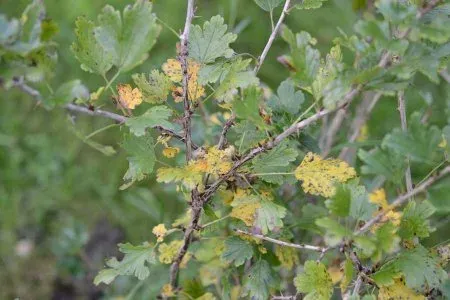
Description
Symptoms
The initial symptoms present as small, circular, or irregular brown to black spots scattered across the leaf surface.
As the infection progresses, these spots may expand and merge, often accompanied by a light-colored, raised central cushion representing the fungal sporulation structures.
Yellowing of the foliage is a hallmark sign, particularly occurring prematurely during mid-summer, which eventually leads to widespread leaf drop.
Lesions can also appear on the petioles and younger succulent shoots, causing localized necrosis and potential girdling of small branches.
- Small dark-colored spots on leaves.
- Premature yellowing and defoliation.
- Visible fungal sporulation pads on leaf surfaces.
- Stunted shoot growth and poor plant vigor.
Pathogen
The disease is caused by fungi belonging to the genus Drepanopeziza, which are members of the ascomycete group. These pathogens are known to cause significant foliage damage across various plant species.
The life cycle of the pathogen involves the production of ascospores in apothecia formed on infected leaf debris that has overwintered on the soil surface.
During wet spring weather, these spores are released and disseminated by rain splashes or wind, initiating primary infections on new leaf growth.
Throughout the growing season, secondary spread occurs through the production of conidia, which continue to colonize healthy leaves whenever moisture is present.
The fungus survives the winter primarily in the form of dormant mycelium within fallen leaves, ensuring its presence for the following season if sanitation is neglected.
Conditions for development
High humidity and consistent rainfall are the primary drivers for the rapid development and spread of this fungal disease.
Favorable temperatures for fungal activity generally range between 15°C and 22°C, making the mid-growing season a period of high risk.
Poor air circulation, often exacerbated by dense planting and lack of pruning, creates a microclimate that keeps foliage wet for longer periods, promoting infection.
Inadequate sanitation practices, such as failing to remove infected plant debris, create a continuous source of inoculum that reinfects the plants every spring.
Plant stress resulting from nutrient imbalances or moisture fluctuations can increase susceptibility to the pathogen's initial attack.
Why it matters
The premature loss of foliage directly impacts the plant's ability to photosynthesize, resulting in significantly reduced carbohydrate reserves stored for the winter.
Reduced vigor often translates into poor development of flower buds, leading to a substantial decline in yield for the current and following harvest seasons.
Plants affected by severe defoliation become highly sensitive to cold weather, significantly increasing the risk of winter injury or dieback.
Long-term infestation weakens the overall physiological health of the plant, potentially leading to stunted development or the need for early removal of the crop.
In nursery environments, the disease can render young plants unsalable due to poor growth and weakened structural integrity caused by chronic infection.
Protection
Sanitation is the cornerstone of management: collecting and disposing of fallen leaves at the end of the season is essential to disrupt the pathogen's life cycle.
Pruning plants to improve airflow and increase light penetration helps the canopy dry out faster, which significantly suppresses the germination of fungal spores.
Chemical control involving fungicides, specifically those categorized as protective or systemic treatments, is effective when applied during the early stages of disease appearance.
Maintaining optimal soil fertility, with a focus on balanced potassium and phosphorus levels, helps strengthen the host tissue against colonization.
When establishing new plantings, selecting resistant cultivars is the most sustainable approach to minimizing the reliance on intensive chemical management.
Discussion
No discussions yet — be the first.