
Comoclathris typhicola
Comoclathris typhicola
The primary site of infection for this fungal pathogen is the dead or weakened tissue of aquatic plants, particularly cattails (Typha). External signs appear as the development of characteristic dark fruiting bodies on leaf blades and stems.
What the section contains
Comoclathris typhicola
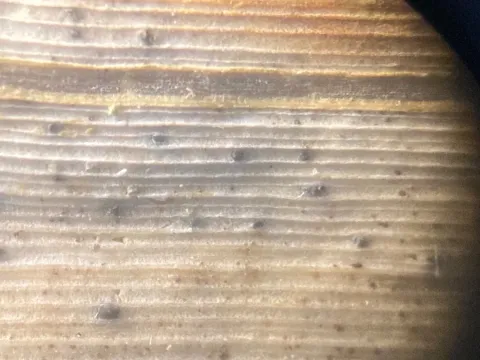
When infected by Comoclathris typhicola, the surface of the affected plant organs becomes covered with small black spots, which are the stromata of the fungus. These structures often have a circular or slightly elongated shape, standing out against the decaying plant tissue.
Infection often occurs at the end of the growing season when the plant is naturally preparing for senescence. However, under specific conditions, the fungus can colonize living tissues, causing premature browning and necrosis.
Visual diagnosis is possible by closely inspecting stems, where fruiting bodies (pseudothecia) are often arranged in groups or rows. Humid weather promotes their active development and the release of spores.
It is important to distinguish this species from other saprophytic fungi inhabiting cattails through microscopic spore analysis, as initial symptoms may resemble normal plant aging.
The causative agent of the disease is the fungus Comoclathris typhicola, belonging to the class Dothideomycetes. It is a specialized pathogen (or saprotroph) evolutionarily adapted to reside on members of the Typhaceae family.
Mycological classification places this object in the order Pleosporales. The fungus is characterized by the presence of locules within the stroma, where asci containing spores develop, which is a key trait of this family.
The biology of the fungus is closely linked to the lifecycle of its host, mainly Typha latifolia and other species of the genus Typha. It can persist for long periods in plant debris as mycelium or specialized resting structures.
Spread occurs primarily through airborne pathways when mature ascospores are released into the environment and carried by wind to healthy plant specimens within the population.
The fungus shows high host specificity, making it a typical, narrowly adapted component of wetland ecosystems where cattails are the dominant vegetation.
The development of Comoclathris typhicola directly depends on the humidity levels of the air and substrate. Since cattails grow in constant moisture, the fungus finds an ideal environment for spore germination and tissue colonization.
Optimal temperature ranges for active fungal growth are moderate, typical for summer and autumn seasons. Sudden temperature fluctuations and prolonged rains facilitate mass spore release.
Plant density also plays a critical role in disease spread. In dense cattail stands, a specific microclimate with high humidity is created, which slows the evaporation of water from leaf surfaces.
Stagnant water and lack of proper aeration in cattail growth sites provoke a weakening of the plant's immune system, making them more susceptible to primary or secondary infections.
Alterations in the hydrological regime of water bodies and anthropogenic pollution can indirectly increase the intensity of fungal development by changing the chemical composition of host tissues.
Under natural conditions, Comoclathris typhicola rarely causes catastrophic damage to cattail populations, as it often acts as a decomposer that accelerates the breakdown of dead plant biomass.
However, mass infection can reduce the overall productivity of vegetative biomass, which may impact ecosystems that rely on cattails as a habitat or food source for wildlife.
Premature leaf damage by the fungus degrades their mechanical properties, leading to stem lodging before the end of the season. This disrupts the structure of the stands and may change conditions for aquatic fauna.
For decorative cattail plantings in garden ponds, the presence of this fungus is an aesthetic problem, as infected leaves lose their ornamental value and look unsightly due to the abundance of black spots.
In rare cases, excessive fungal development can suppress the growth of young shoots in the spring if the infection level in the pond was critically high during the previous season.
An effective prevention method is the regular removal of cattail plant debris after the end of the growing season, as this is where the pathogen’s inoculum overwinters.
It is necessary to avoid excessive crowding of plantings when landscaping artificial ponds, ensuring sufficient air circulation between plants to reduce excess humidity.
In case of severe infection in decorative plants, sanitary pruning of damaged stem parts is recommended, with mandatory disposal of biological waste via burning or deep burial.
Chemical control methods in natural water bodies are rarely used due to environmental risks for aquatic ecosystems. The use of fungicides is permissible only in isolated decorative ponds after risk assessment.
Maintaining an optimal hydrological and chemical balance in artificial water bodies is the best preventive measure to avoid plant stress and subsequent infection by pathogenic fungi.