
Plant Nocardiosis
Nocardia
Plant nocardiosis is caused by a group of Gram-positive aerobic actinomycetes belonging to the genus Nocardia. These microorganisms exhibit unique biological traits, bridging the gap between true bacteria and fungi by forming a branching mycelium that breaks into smaller rods or cocci.
What the section contains
Plant Nocardiosis
Typically, these organisms function as saprophytes in the soil, decomposing organic matter. However, under specific environmental stressors or favorable conditions, they can transition into pathogenic behavior, colonizing the root systems and vascular tissues of host plants.
The pathogenicity of Nocardia is supported by a cell wall containing mycolic acids, which provides significant resistance against environmental stress and many standard chemical treatments.
Infection is usually transmitted through contaminated soil, irrigation water, and infected gardening tools, often entering the plant through minor mechanical wounds in the root zone.
The colonization process involves the steady invasion of intracellular spaces, which disrupts the normal translocation of water and essential minerals throughout the plant vascular system.
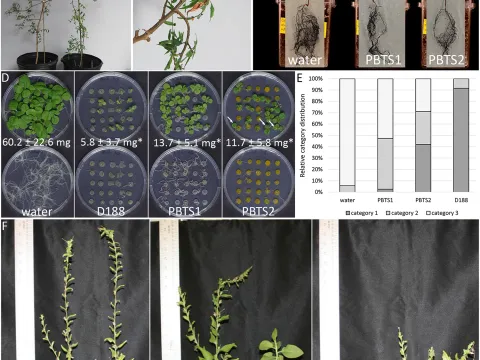
The initial signs of nocardiosis include stunted growth and chlorosis of the lower leaves, where the plant begins to lose turgor pressure despite adequate soil moisture levels.
Upon closer inspection of the root system, gardeners may find brownish or greyish rot, often accompanied by a fuzzy, white mycelial growth on the surface of the affected roots.
In advanced cases, necrosis appears at the base of the stem, often leading to sudden wilting that mimics Fusarium wilt, but the progression of nocardiosis is typically slower and more localized.
A cross-section of the stem often reveals browning or discoloration of the vascular bundles, indicating that the transport of nutrients from the roots has been severely compromised.
A notable diagnostic feature is the lack of a strong, foul odor usually associated with other bacterial rots, which can lead to misdiagnosis if the root surface is not carefully observed.
Nocardiosis thrives in warm, humid soil conditions, which provide the optimal environment for actinomycetes to activate their pathogenic potential and multiply rapidly.
Poor soil aeration and high levels of decaying organic matter are major contributors to the spread of the disease, as these conditions favor the buildup of the Nocardia population.
Plants subjected to environmental stress, such as nutrient deficiencies or improper irrigation, are significantly more susceptible to infection compared to healthy, well-nourished specimens.
The pH level of the soil plays a role as well; Nocardia strains generally prefer neutral to slightly alkaline environments, making lime-rich soils more conducive to outbreaks.
Excessive watering, which causes waterlogging in the root zone, is the most common trigger for the transition of these bacteria from saprophytic to parasitic behavior in greenhouses.
The primary harm caused by plant nocardiosis is a significant reduction in overall yield and crop quality, leading to economic losses in vegetable and ornamental plant production.
By attacking the fine root hairs, the pathogen prevents the plant from absorbing necessary nitrogen and phosphorus, which leads to metabolic exhaustion and reduced vigor.
In greenhouse settings, the pathogen can spread rapidly through shared irrigation lines, putting the entire crop at risk if early containment measures are not implemented.
Damaged tissues become entry points for secondary opportunistic pathogens, such as fungi or soft rot bacteria, which may ultimately accelerate the death of the host plant.
Long-term harm includes the contamination of growing media, which makes the soil unsuitable for sensitive crops for several seasons without extensive sterilization processes.
Effective management begins with strict crop rotation and the thorough removal of all plant debris at the end of the season to minimize the survival of the pathogen in the soil.
The application of bio-fungicides containing Bacillus subtilis or Trichoderma species can help establish a beneficial microbial shield in the rhizosphere, inhibiting the growth of Nocardia.
Maintaining proper soil aeration and optimizing irrigation schedules are critical to preventing the moist, oxygen-deprived conditions that favor bacterial multiplication.
If an infection is detected, the affected plants must be removed along with the immediate surrounding soil and safely disposed of to prevent the spread to adjacent plants.
Proactive monitoring and the use of resistant cultivars are essential strategies, especially in areas where soil conditions are known to be conducive to actinomycete-related diseases.