
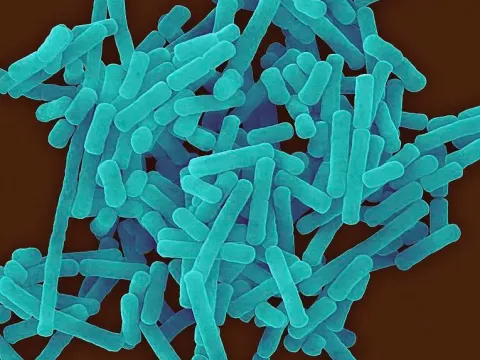
Lactobacillus buchneri
Lactobacillus buchneri
Lactobacillus buchneri is a heterofermentative lactic acid bacterium primarily recognized for its role in silage preservation.
What the section contains
Lactobacillus buchneri
It is not a plant pathogen; instead, it serves as a beneficial microorganism that improves the aerobic stability of fermented forage.
The organism metabolizes lactic acid into acetic acid, which acts as a natural inhibitor against mold and yeast growth.
It is naturally found on the surface of many plants, contributing to the initial microbial population during the harvesting process.
The bacterium is widely used in agricultural inoculants to extend the shelf life of corn and grass silage in storage.
The activity of Lactobacillus buchneri requires an anaerobic environment, which is achieved through proper silo packing.
It thrives in a specific pH range, gradually modifying the internal chemical profile of the silage over a period of several weeks.
Temperature significantly influences its growth rate, with optimal development occurring between 25 and 35 degrees Celsius.
Sufficient levels of soluble sugars in the chopped crop are essential for the bacterium to successfully complete its metabolic cycle.
Proper moisture content is required to ensure the bacteria are evenly distributed throughout the forage mass.
While generally beneficial, an overabundance of Lactobacillus buchneri can negatively affect silage quality.
Excessive production of acetic acid can lower the palatability of the feed, potentially reducing voluntary intake by livestock.
Significant gas production during the conversion of lactic acid to acetic acid can result in dry matter losses during storage.
If the fermentation process is not managed correctly, the nutritional value of the silage may deviate from the desired targets.
Extreme concentrations of metabolites can alter the aroma and texture of the feed, making it less acceptable for sensitive animals.
Managing the fermentation process requires the precise application of microbial inoculants to balance the microbial community.
Ensuring high-density packing of the silage heap is crucial for preventing spoilage and promoting uniform fermentation.
Regular testing of chemical composition and pH levels helps in identifying any issues related to excessive fermentation early on.
Proper harvesting techniques, including optimal chopping length and moisture content, reduce the risk of secondary spoilage.
Integrating specific bacterial strains ensures that the silage remains stable during both storage and the feed-out phase.