
Kocuria
Kocuria
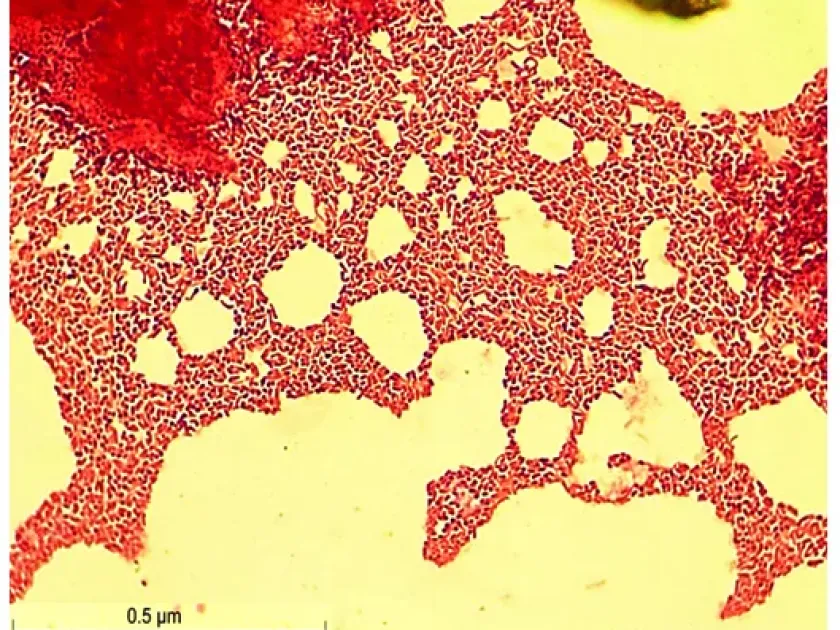
Description
Symptoms
The primary symptom is systemic wilting that does not recover after irrigation. Plants appear stunted and show overall weakness in their vegetative growth.
A cross-section of the plant stem often reveals a characteristic browning of the vascular bundles, indicating that the transport system is clogged by bacterial colonies.
Leaf yellowing usually starts from the lower layers and gradually spreads upward. In later stages of the infection, leaves may wither and become necrotic.
Root systems often display signs of rot, characterized by brown discoloration of rootlets and a foul, musty odor caused by the degradation of plant tissues.
In fruits, infection manifests as small, oily spots that eventually grow in size, potentially leading to fruit softening and complete decay of the internal tissue.
Pathogen
The causative agent of this disease is the bacteria of the Kocuria genus, belonging to the Micrococcaceae family. These are Gram-positive, non-motile cocci commonly found in soil and as endophytes within plant tissues.
In phytopathology, Kocuria is considered an opportunistic pathogen. Unlike aggressive specialized bacteria, it often exists in symbiosis with the host plant, manifesting pathogenicity only when the plant's immune system is compromised.
These bacteria are capable of forming biofilms on root surfaces and within the vascular system, which makes them highly resistant to conventional antibacterial treatments.
Genetically similar to staphylococci, Kocuria bacteria exhibit high resilience to environmental stressors, such as temperature fluctuations and desiccation, ensuring their long-term survival in the field.
Precise laboratory identification via 16S rRNA sequencing is necessary for diagnosis, as symptoms often mimic other bacterial wilt diseases, complicating the differentiation process.
Conditions for development
Kocuria develops most aggressively under conditions of high soil moisture and temperatures ranging from +22 to +28 degrees Celsius, which are typical for greenhouses.
Primary infection usually occurs through mechanical damage to roots, often caused by transplanting or activities of soil-dwelling pests that create entry points for the bacteria.
Lack of crop rotation contributes to the build-up of Kocuria in the soil, as the bacteria can survive on infected plant debris for several seasons.
The use of infected seed material is a major factor in the spread of the pathogen, leading to initial contamination of seedlings and subsequent field outbreaks.
Plants suffering from nutrient deficiencies or irregular watering schedules show reduced resistance, making them more susceptible to colonization by the bacteria.
Why it matters
Kocuria causes significant economic loss, with yield reductions potentially reaching 30–50 percent due to the decline and death of the plant population.
By obstructing the vascular system, the bacteria inhibit the transport of water and nutrients, leading to metabolic failure and premature plant senescence.
Fruits infected by the pathogen have poor shelf life and diminished market quality, making them unsuitable for commercial sale and fresh consumption.
Seedling mortality is a common problem, requiring increased labor and input costs for replanting and maintaining healthy crop density.
Given its endophytic nature, the bacterium can hide inside plant tissues, making it difficult to detect before symptoms appear and complicating quarantine efforts.
Protection
The most effective strategy is strict crop rotation, ensuring that susceptible plants are not grown on the same plot for at least 3–4 years after an outbreak.
Disinfection of greenhouses, farming tools, and containers using effective bactericides is essential after each growing cycle to prevent pathogen carryover.
Only use certified, disease-free seed material and implement seed treatments with biological or chemical agents to minimize the risk of early-stage infection.
Soil application of bio-inoculants containing Bacillus subtilis creates competition for the pathogen, successfully reducing the Kocuria population in the rhizosphere.
- Thorough removal and destruction of all plant residue.
- Integrated pest management to prevent root tissue damage.
- Monitoring of soil moisture levels to avoid waterlogging.
- Selection of resistant or tolerant cultivars when available.
Discussion
No discussions yet — be the first.